Trigger Tracking
Systematic identification and monitoring of factors that provoke or worsen menopause symptoms, enabling targeted management strategies.
Menopause symptoms often feel random and unpredictable. Hot flashes erupt without warning; anxiety spikes seemingly from nowhere; fatigue overwhelms unexpectedly. Yet patterns exist. Most menopause symptoms have identifiable triggers, factors that consistently make them worse. Identifying your personal triggers allows targeted management preventing unnecessary symptom flares.
Trigger tracking requires minimal time investment but produces substantial practical benefit by revealing patterns hidden in day-to-day experience.
Why Trigger Identification Matters
Symptom triggers vary enormously between individuals. What triggers hot flashes for one person leaves another unaffected. Understanding your personal patterns enables you to avoid preventable triggers while recognizing that some symptoms occur regardless of avoidance.
For healthcare providers, understanding your triggers helps tailor recommendations. If caffeine is a major trigger for your anxiety, caffeine reduction takes priority. If alcohol reliably triggers hot flashes, this information guides lifestyle discussions. If specific foods trigger symptoms, dietary adjustment becomes useful. Generic menopause advice often overlooks these personal patterns.
Additionally, recognizing triggers reduces the sense of complete unpredictability and loss of control many feel during menopause. Identifying patterns creates agency: if you know caffeine triggers your symptoms, choosing to avoid it or accept the likely symptom flare represents a choice rather than random misfortune.
Common Menopause Symptom Triggers
Certain triggers appear frequently across many experiencing menopause:
Temperature elevation consistently triggers hot flashes and night sweats. Hot environments, heated rooms, hot beverages, or even eating hot food commonly provoke flashes. This isn't surprising given that thermoregulatory instability underlies hot flashes; additional heat stress tips already-unstable regulation.
Caffeine increases anxiety, restlessness, and sometimes hot flashes. It increases heart rate and blood pressure, effects magnified during menopause when cardiovascular regulation is less stable. Even moderate caffeine affects some substantially.
Alcohol triggers hot flashes directly through peripheral vasodilation and thermoregulatory effects. It also disrupts sleep, and poor sleep worsens anxiety and mood changes. Alcohol at evening specifically disrupts sleep quality.
Spicy foods trigger hot flashes for many through direct thermoregulatory stimulation similar to environmental heat.
Stress and anxiety reliably worsen multiple symptoms. Cortisol elevation from stress increases inflammatory markers, worsens hot flashes, reduces sleep quality, and amplifies mood dysregulation. Stress doesn't cause menopause symptoms but reliably worsens them.
Poor sleep worsens essentially all menopause symptoms: mood instability, cognitive function, hot flash frequency, and anxiety. Sleep disruption from night sweats creates vicious cycle where poor sleep increases likelihood of additional night sweats.
Skipped or irregular meals affect symptom severity. Blood sugar fluctuations seem to worsen hot flashes and anxiety in many. Regular, balanced meals provide steadier blood sugar and appear to reduce symptom intensity.
Lack of physical activity worsens symptoms while regular exercise helps most menopause-related concerns. Even single sessions of activity improve mood and sleep quality.
Reduced hydration worsens symptoms, particularly hot flashes. Dehydration concentrates body temperature regulation, making flashes more likely.
Hormone fluctuations during perimenopause (when menstruation continues) create variation in symptom severity. Some experience worse symptoms during specific phases of remaining menstrual cycles.
These represent common triggers; your personal triggers might differ. Individual sensitivity varies tremendously.
How to Track Triggers
Effective tracking doesn't require elaborate systems. The goal is identifying patterns through consistent monitoring.
Choose a simple tracking method. Options range from:
Written log: notebook entries noting time, symptom, severity (1 to 10 scale), and potential triggers. Brief entries ("2pm, hot flash, 8/10, after coffee") provide useful data.
Smartphone notes: similar to written log but digital, useful for those always with phones.
Spreadsheet: more structured tracking allowing pattern analysis through sorting and filtering.
Dedicated menopause app: numerous apps provide structured symptom and trigger tracking specifically for menopause.
Whichever system appeals most likely sustains better than one that feels burdensome. Abandon tracking that requires more effort than you're willing to invest.
Tracking for 2 to 4 weeks typically reveals patterns. Some tracks need longer; some patterns emerge within days. Most find that 2 to 4 weeks provides sufficient data to identify major triggers.
What to Track
For hot flashes, note:
Time of day: Do flashes cluster at particular times?
Duration: Do they last 2 minutes or 10?
Severity: Rate 1 to 10. Are they all similar severity or highly variable?
Apparent triggers: What preceded the flash? Hot environment? Stress? Food? caffeine? Activity?
Night sweats particularly:
Sleep disruption: Do sweats wake you? How many times nightly?
Soaking level: Light perspiration or complete soaking?
Next-day impact: How much does sleep disruption affect your daytime function?
Activity or food preceding sleep: What was your evening like?
Mood and anxiety:
Time: Are certain times of day worse? Morning vs. evening?
Apparent triggers: Stress? Poor sleep? Specific situations?
Impact on function: Does anxiety prevent you from doing something you want to do?
Fatigue:
Time of day: Is fatigue worse at particular times?
Apparent causes: Did poor sleep precede fatigue? Stress? Lack of activity?
Impact: Does fatigue prevent usual activities?
Interpreting Tracking Data
After tracking for 2 to 4 weeks, look for patterns:
Do symptoms cluster around particular times? Morning worse than afternoon might suggest sleep quality issues. Afternoon clustering might suggest caffeine or meal timing effects. Evening worsening might suggest alcohol or stress accumulation.
Do particular activities precede symptoms? If hot flashes follow exercise, temperature elevation from activity might be trigger. If anxiety follows coffee, caffeine is likely trigger.
Do symptoms vary with diet? If fatigue increases on days without exercise or protein-poor days, nutrition might play role. If hot flashes increase after spicy meals, this pattern becomes clear.
Do stress periods show symptom increase? If anxiety increases during high-stress work periods, stress management becomes priority.
Do symptoms vary across weeks? If perimenopause (with ongoing periods), note whether symptoms follow menstrual cycle patterns.
Look for the strongest and most consistent patterns first. Some triggers are very reliable (anxiety and caffeine, for instance, show consistent relationships for many). Others are less reliable. Focus on your clearest patterns.
Acting on Trigger Information
Once patterns are identified, experiment with trigger modification:
If caffeine triggers anxiety, try gradual reduction for 2 weeks and observe changes. Many find anxiety improvement within days to weeks of caffeine reduction.
If alcohol triggers hot flashes, try reduction or elimination for 2 weeks and note changes.
If heat triggers flashes, identify how to reduce environmental temperature: fans, lighter clothing, cooling techniques.
If stress worsens symptoms, prioritize stress management: exercise, meditation, boundary-setting at work, social support.
If poor sleep underlies multiple symptoms, prioritize sleep improvement: consistent schedule, cool dark room, exercise earlier in day, caffeine reduction.
If meal timing affects symptoms, experiment with more frequent, balanced meals.
If physical activity improves symptoms (as it does for most), increase exercise frequency.
Test one change at a time. Changing multiple factors simultaneously makes it impossible to determine what helps. Try modification for 2 to 4 weeks before assessing impact.
Individual Trigger Variability
Your triggers differ from others'. While these common triggers appear frequently, some experience minimal effect from them while others are exquisitely sensitive.
Additionally, triggers sometimes change over menopause. Something that triggered flashes severely in perimenopause might become less problematic as menopause progresses. This shifting pattern makes ongoing monitoring valuable.
Some discover that symptom reduction from addressing triggers is substantial. For instance, some experiencing frequent hot flashes and anxiety find that eliminating caffeine and alcohol produces dramatic improvement. Others find these modifications help little despite reliable trigger relationships in population research.
This individual variability is why personal tracking matters; it reveals your specific patterns rather than assuming population averages apply.
Triggers You Can't Control
Some triggers can't easily be controlled: weather (heat waves trigger flashes), seasons, or life stressors beyond your control. For triggers you can't avoid, focus on symptom management techniques: quick-cooling strategies for hot flashes, stress management for anxiety, sleep optimization during high-stress periods.
Accepting that some triggers can't be controlled reduces frustration. You can't eliminate summer heat or prevent job stress entirely. You can develop effective coping strategies for these predictable triggering situations.
Sharing Trigger Information with Healthcare Providers
Document your identified triggers to share with healthcare providers. This information helps them make personalized recommendations. "I've tracked for a month and identified that caffeine and alcohol both clearly trigger my hot flashes and anxiety" provides useful clinical information guiding recommendations.
Healthcare providers can also help brainstorm additional triggers you might not have considered and discuss evidence for whether avoiding suspected triggers actually helps.
Long-Term Trigger Evolution
As menopause progresses, triggers sometimes shift. Estrogen's role changes as you move through perimenopause to menopause to postmenopause. Triggers that were significant during perimenopause might become less important later.
Occasionally re-tracking (every 6 to 12 months or when symptoms change markedly) can reveal how your personal trigger profile evolves.
Tracking as Tool, Not Obsession
Trigger tracking provides valuable information, but obsessive tracking can create unhelpful hypervigilance where every bodily sensation becomes suspect. Track for clear purposes: identify major triggers, test modifications, share information with healthcare providers.
Once patterns emerge clearly, detailed ongoing tracking becomes unnecessary. You needn't track forever; once you understand your triggers and have optimized your responses to them, most find that simple awareness suffices.
Trigger tracking represents one practical tool among many for managing menopause symptoms. It's accessible, requires minimal cost or expertise, and produces actionable information enabling targeted management. For most, 2 to 4 weeks of focused tracking reveals patterns that inform months or years of more effective symptom management.
Related terms
Understanding how alcohol affects menopause symptoms, sleep, cardiovascular health, and breast cancer risk, with evidence-based guidance on safe consumption.
Sudden, intense waves of heat that spread through the upper body, often with flushing, sweating, and a racing heart. Hot flashes affect around 80% of women during menopause and can last anywhere from a few months to over a decade.
Intense episodes of excessive sweating during sleep, often soaking through clothes and bedding, caused by hormonal fluctuations during perimenopause and menopause.
Recording your symptoms, their severity and possible triggers over time, so you and your doctor can spot patterns, make better treatment decisions and see whether treatment is working.
How Menoa helps
Log how trigger tracking affects you day to day. Menoa helps you spot patterns and arrive at appointments with clearer symptom history.
Latest articles
View all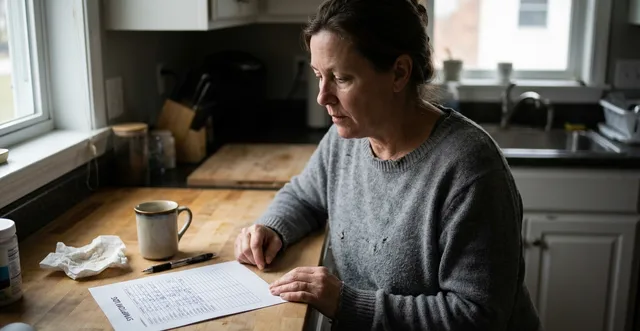 Healthcare & Support
Preparing for Your Menopause Appointment: Tracking, Documentation, and Questions
A practical guide to preparing for menopause-related doctor visits. Learn how to track symptoms, organize your health history, and ask the right questions.
 Nutrition & Lifestyle
Gut Health and Menopause: Microbiome Changes and How to Support Digestion
Your gut microbiome changes during menopause, affecting digestion, weight, and even hormone levels. Learn how the estrobolome works and what you can do to support your gut health.
 Stages & Transitions
Late Perimenopause: The Final Years Before Your Last Period
Late perimenopause brings profound changes as your body approaches your final period. Understand what's happening, what to expect, and how to navigate this final transition.