Menopause Vitamins and Supplements: Dosage, Quality, and What to Take
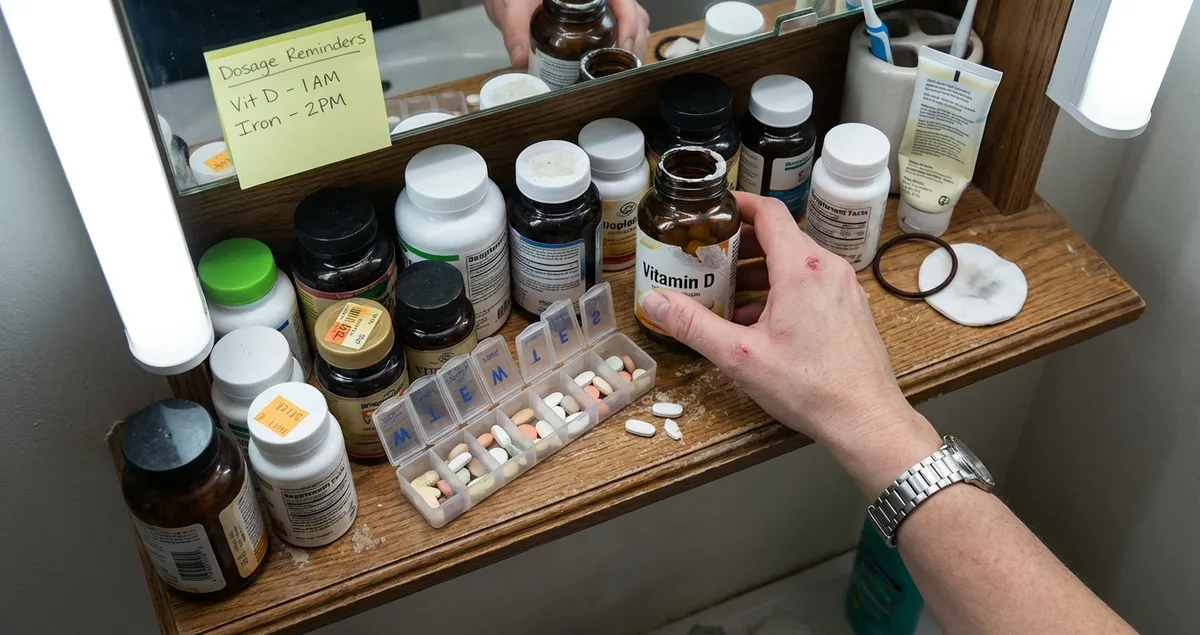
The menopause supplement market is enormous and confusing. Learn which vitamins and minerals have evidence behind them, proper dosages, quality considerations, and how to navigate safely.
Key Takeaways
- Calcium (1,200 mg daily) and vitamin D (600-1,000 IU daily) have solid evidence for bone health during menopause.
- Magnesium supports calcium absorption and helps with sleep and mood: aim for a 2:1 calcium to magnesium ratio.
- Most herbal menopause supplements lack strong evidence; black cohosh, red clover, and soy show mixed results.
- Supplements aren't regulated by the FDA, so quality and purity vary significantly. Choose third-party tested brands.
- Always inform your doctor about supplements you're taking, as some interact with medications or have safety concerns.
The Supplement Confusion: What You're Actually Buying
You walk into a pharmacy or scroll through a wellness website, and you're immediately overwhelmed. Shelves are lined with products promising to solve hot flashes, night sweats, mood changes, and joint pain. The language is compelling. The testimonials are glowing. The prices are high. But here's the reality many women don't know: dietary supplements are not regulated by the FDA the way medications are.
This means that supplement manufacturers don't have to prove their products work before selling them. They don't have to prove the ingredient list is accurate. They don't have to ensure the dosages match what's on the label. In some cases, the actual content of a supplement varies significantly from what the packaging claims.
This doesn't mean all supplements are worthless or unsafe, but it does mean you need to be a savvy consumer. Some vitamins and minerals have legitimate, evidence-based roles during menopause. Others are heavily marketed with minimal scientific support. This guide helps you distinguish between the two.
Calcium: The Bone Health Foundation
Calcium is not optional during menopause. Declining estrogen accelerates bone loss, and adequate calcium is your first line of defense against osteoporosis and fractures.
Recommended intake: 1,200 mg of calcium daily for post-menopausal women. This is the guideline from the North American Menopause Society and supported by extensive research.
Daily limit: Don't exceed 2,500 mg per day. Higher intakes don't provide additional benefit and may increase the risk of kidney stones and possibly cardiovascular issues.
How to get it: Food sources are ideal. Dairy products like yogurt, cheese, and milk are excellent. Non-dairy sources include leafy greens (kale, collards, bok choy), fortified plant milks, sardines with bones, and almonds. If you can't meet 1,200 mg through food, supplements fill the gap.
Absorption matters: Calcium is absorbed best in doses of 500 mg or less at one time. If you're supplementing, split your dose across the day with meals. Calcium carbonate (often labeled as limestone or oyster shell) is cheaper but requires stomach acid for absorption, so take it with food. Calcium citrate is better absorbed and can be taken with or without food.
Quality consideration: Look for supplements that are third-party tested by ConsumerLabs, NSF, or USP. These organizations verify that the label matches what's actually in the bottle.
Vitamin D: The Calcium Enabler
Vitamin D isn't just about bone health, though that's crucial. This nutrient also supports immune function, mood regulation, and calcium absorption. Low vitamin D is linked to depression, and some research suggests it may affect the timing and severity of menopause.
Recommended intake: The standard recommendation is 600-1,000 IU daily. Some researchers argue that post-menopausal women benefit from slightly higher intakes, around 1,000-2,000 IU daily, but this should be personalized based on your baseline levels and sun exposure.
How to get it: Sunlight exposure generates vitamin D in your skin. Aim for 10-30 minutes of midday sun several times per week, depending on your skin tone and location. (Darker skin requires more sun exposure.) Dietary sources are limited: fatty fish like salmon and mackerel, egg yolks, and fortified milk or plant milks.
Testing matters: Vitamin D deficiency is common, especially in winter months or for people with limited sun exposure. Ask your doctor to check your vitamin D level. Knowing your baseline helps you understand whether supplementation is necessary and at what dose.
Supplementation: If you're deficient or live in a region with limited winter sunlight, a daily supplement of 1,000-2,000 IU is reasonable. Vitamin D3 (cholecalciferol) is more effective than D2 (ergocalciferol).
The calcium plus vitamin D combination: Studies show that calcium plus adequate vitamin D prevents bone loss and reduces fracture risk more effectively than either alone. However, the benefit is modest and varies depending on your baseline vitamin D status. If you're already vitamin D sufficient, adding supplementation won't provide dramatic additional bone protection.
Magnesium: The Overlooked Partner
Magnesium is essential for calcium absorption, muscle function, sleep quality, stress management, and mood regulation. During menopause, when sleep disruption and mood changes are common, magnesium becomes particularly relevant.
Recommended intake: The recommended dietary allowance is 310-320 mg daily for women over 50. However, many women are deficient.
The calcium-magnesium ratio: An ideal balance is two parts calcium to one part magnesium. So if you're taking 1,000 mg of calcium, aim for 500 mg of magnesium. If you're supplementing both, look for formulas with this ratio.
Sources: Nuts (almonds, cashews), seeds (pumpkin seeds, sunflower seeds), dark leafy greens, whole grains, and dark chocolate all contain magnesium. Many women find they benefit from a modest supplement (200-400 mg daily) in addition to dietary sources.
Sleep and mood benefits: Magnesium may help improve sleep quality, which is compromised in many menopausal women due to night sweats and hormonal changes. Some women also report mood improvements with magnesium supplementation.
Type matters: Magnesium comes in various forms. Magnesium glycinate is well-absorbed and gentle on the digestive system. Magnesium oxide is common in supplements but can have a laxative effect. If you're sensitive, choose a chelated form like glycinate.
Vitamin B Complex: Energy and Mood Support
The B vitamins, particularly B6, B12, and folate, play roles in energy production, mood regulation, and neurological function. During menopause, when fatigue and mood changes are common, adequate B vitamins matter.
What to know: Most people get sufficient B vitamins through diet if they eat a varied diet including whole grains, meat, eggs, and legumes. Supplementation is particularly relevant for vegetarians and vegans, who may have limited B12 sources.
Typical recommendation: A basic B-complex supplement once daily is generally safe and may provide a modest benefit. Doses vary by product, but they're typically well below the upper limit.
Don't megadose: Very high doses of B vitamins can cause nerve damage and other complications. Stick to formulations labeled as "standard" or follow your doctor's recommendation.
Herbal Supplements: The Promise vs. The Evidence
The herbal supplement market for menopause is massive and heavily marketed. Let's look at the most popular options with an honest assessment of the evidence.
Black Cohosh
Black cohosh is promoted heavily for hot flash relief. It's been used in traditional medicine for centuries and is particularly popular in Europe, where it's more extensively studied.
The evidence: Multiple studies have produced mixed results. Some show modest improvement in hot flashes compared to placebo; others show no difference. Overall, the evidence is considered insufficient to confidently recommend black cohosh over other options.
Safety concerns: Case reports of liver damage linked to black cohosh have raised concerns. While causation isn't definitively established, the potential risk warrants caution, especially for women with liver issues.
Bottom line: If you choose to use it, do so under medical supervision, especially if you have liver concerns or take medications that stress the liver.
Red Clover
Red clover contains isoflavones, compounds with weak estrogenic activity. It's promoted for hot flashes and other menopause symptoms.
The evidence: Studies show mixed results similar to black cohosh. Some research suggests a modest benefit for hot flashes, but the effect is small and inconsistent across studies.
Safety: Red clover is generally well-tolerated, though it may have weak estrogenic effects that could be problematic for women with estrogen-sensitive conditions like breast cancer.
Bottom line: Insufficient evidence to strongly recommend, but it's among the safer herbal options if you choose to try it.
Soy and Soy Isoflavones
Soy foods contain isoflavones. Some women use soy supplements hoping for menopausal symptom relief.
The evidence: Research on soy's effectiveness for hot flashes is mixed. Some studies show modest benefits; others show no difference compared to placebo. The variation may depend on individual genetics and how quickly your body metabolizes isoflavones.
Food vs. supplement: Eating soy foods like tofu and tempeh is likely safer than supplements, as they also provide protein and other nutrients. Supplement forms concentrate the isoflavones, which may not be advisable long-term.
Safety: Soy is generally safe, though women concerned about breast cancer often worry about its estrogenic properties. Current evidence suggests soy consumption is not harmful for breast cancer survivors, but individual medical advice matters.
Bottom line: Modest evidence at best. If you enjoy soy foods, eat them for nutrition. Supplementation isn't necessary for most women.
Other Popular Supplements: The Verdict
Sage leaf extract: Preliminary evidence suggests it may help with hot flashes and night sweats. It's generally well-tolerated, though studies are limited.
Flaxseed: Contains lignans with weak estrogenic activity. Evidence for menopausal symptoms is limited. However, flaxseed provides fiber and omega-3s, so it has other nutritional value.
Ginseng: Some studies suggest possible benefits for mood and fatigue, but evidence is mixed.
Maca: Marketed for sexual function and overall vitality during menopause. Limited quality evidence supporting its use.
Dong Quai: Used in traditional Chinese medicine. Clinical evidence doesn't support its use for hot flashes.
The common theme: For most herbal supplements, the evidence base is modest or mixed. This isn't necessarily a reason to avoid them, but it's a reason to approach them with realistic expectations and medical guidance.
Quality, Purity, and Choosing Reputable Brands
Because supplements aren't regulated, quality varies dramatically. A study by ConsumerLabs found that some supplements contained none of the listed ingredient, while others had significantly different amounts than claimed.
How to ensure quality:
-
Look for third-party testing seals: NSF, USP, and ConsumerLabs certification means the product has been independently tested for content accuracy and contaminants.
-
Check the label carefully: Look for GMP (Good Manufacturing Practice) certification. The ingredient list should match what you're looking for. Avoid products with vague "proprietary blends" that don't list individual ingredient amounts.
-
Research the brand: Reputable brands are often those backed by clinical research, transparent about their practices, and willing to provide certificates of analysis.
-
Be wary of miraculous claims: If a product promises to completely eliminate menopause symptoms, it's making claims that aren't supported by evidence.
-
Price isn't always a marker of quality. Some expensive supplements lack evidence; some affordable ones are well-made. Third-party testing matters more than price.
What the Research Says
The North American Menopause Society's 2023 position statement on non-hormonal therapies notes that vitamin D and calcium have good evidence for bone health. For most other supplements marketed for menopause, the evidence is insufficient or mixed.
A 2024 review in PMC examining botanical and dietary supplements for menopausal symptoms concluded that while some supplements show promise, most lack robust evidence. The authors emphasize the importance of consulting healthcare providers and the risk of contamination and variability in unregulated supplements.
The Harvard Health review of menopause supplements emphasizes that because supplements aren't FDA-approved, women should be cautious about claims of efficacy, prioritize evidence-based options like calcium and vitamin D, and always inform their healthcare providers about supplement use.
Practical Steps You Can Take Today
-
Get a baseline test: Ask your doctor to check your vitamin D level and bone density (DEXA scan). These results guide which supplements are truly necessary for you.
-
Calculate your calcium intake: Tally how much calcium you get through food. If it's less than 1,200 mg, consider a supplement. If you're at goal through food, a supplement may be unnecessary.
-
Find a multi-mineral formula: Look for a supplement with a 2:1 or reasonable calcium-to-magnesium ratio. This simplifies dosing and ensures balance.
-
Prioritize third-party testing: When choosing any supplement, verify third-party certification before purchasing.
-
Keep a supplement list: Write down every supplement you take, the dose, and when you take it. Share this list with your doctor and pharmacist to check for interactions.
-
Check interactions: Use websites like Drugs.com or ask your pharmacist about potential interactions with any medications or other supplements you take.
When to Talk to Your Doctor
Consult your healthcare provider before starting supplements if you:
- Have liver or kidney disease
- Take blood thinners or other medications affected by supplements
- Have a history of hormone-sensitive cancers (some herbal supplements have estrogenic effects)
- Are pregnant or breastfeeding
- Have allergies to specific plants or ingredients
- Are considering high-dose supplementation
- Have experienced symptoms you're hoping to address with supplements; these might warrant investigation
Also, always inform your doctor about any supplements you're currently taking. Many doctors have limited training about supplements, but they understand your medical history and can flag potential risks.
How Menoa Can Help
If you're trying a new supplement and tracking its effects on your symptoms, the Menoa app lets you log both your supplement routine and your symptom patterns. Over time, you may notice that certain nutrients support better sleep, fewer hot flashes, or improved mood. By correlating your supplement intake with symptom data, you can make more informed decisions about what's actually working for your unique body.
Frequently Asked Questions
Do I need to take supplements if I eat well?
If you eat a balanced diet with adequate dairy or fortified plant milks, leafy greens, and whole grains, you may get sufficient calcium, magnesium, and B vitamins through food alone. Vitamin D is trickier because food sources are limited and sun exposure varies. A simple blood test clarifies whether supplementation is necessary.
Is it safe to take multiple supplements at once?
Generally yes, if you choose them carefully and inform your doctor. However, some combinations can reduce efficacy or increase risk. For example, calcium can interfere with certain medications. Your pharmacist can check for interactions.
Can supplements replace hormone therapy if I don't want HRT?
No. Supplements can support bone health and may modestly reduce some symptoms, but they don't replace the symptom relief that hormone therapy provides. If you're interested in HRT, this is a conversation with your doctor, not a supplement decision.
What's the difference between supplements from a pharmacy vs. a health food store vs. online?
The source doesn't determine quality. What matters is third-party testing and the manufacturer's reputation. You can find excellent supplements anywhere and poor-quality ones anywhere. Always check for third-party certification.
How long does it take for a supplement to work?
Calcium and vitamin D work on bone health over months and years; you won't feel them working. Magnesium might improve sleep within days or weeks. Herbal supplements typically take 4-8 weeks to show any effect, if they do. If you're not seeing benefit after 2-3 months, it likely won't help.
Are natural supplements safer than synthetic ones?
"Natural" is not synonymous with "safe." Some natural substances are toxic; some synthetic ones are very safe. What matters is evidence of efficacy and safety, not whether the source is natural or synthetic.
Sources
- Calcium and vitamin D in postmenopausal women - PMC
- The role of calcium in peri- and postmenopausal women: consensus opinion of The North American Menopause Society - PubMed
- Vitamin D and calcium intake and risk of early menopause - PMC
- Calcium and calcium supplements: Achieving the right balance - Mayo Clinic
- Menopause supplements: Effective relief or empty promises - Harvard Health
- Botanical and Dietary Supplements for Menopausal Symptoms - PMC
- Investigating the Effects and Mechanisms of Combined Vitamin D and K Supplementation in Postmenopausal Women - PMC
- Menopausal Symptoms: In Depth - NCCIH
More articles
 Nutrition & Lifestyle
Gut Health and Menopause: Microbiome Changes and How to Support Digestion
Your gut microbiome changes during menopause, affecting digestion, weight, and even hormone levels. Learn how the estrobolome works and what you can do to support your gut health.
 Nutrition & Lifestyle
Sexual Wellness After Menopause: Reclaiming Intimacy and Pleasure
Sexual changes during menopause are real, but they're not permanent. Learn what's happening in your body, why it's happening, and practical solutions to reclaim intimacy and pleasure.