Skin Changes in Menopause: Dryness, Sensitivity, and How to Adapt Your Routine
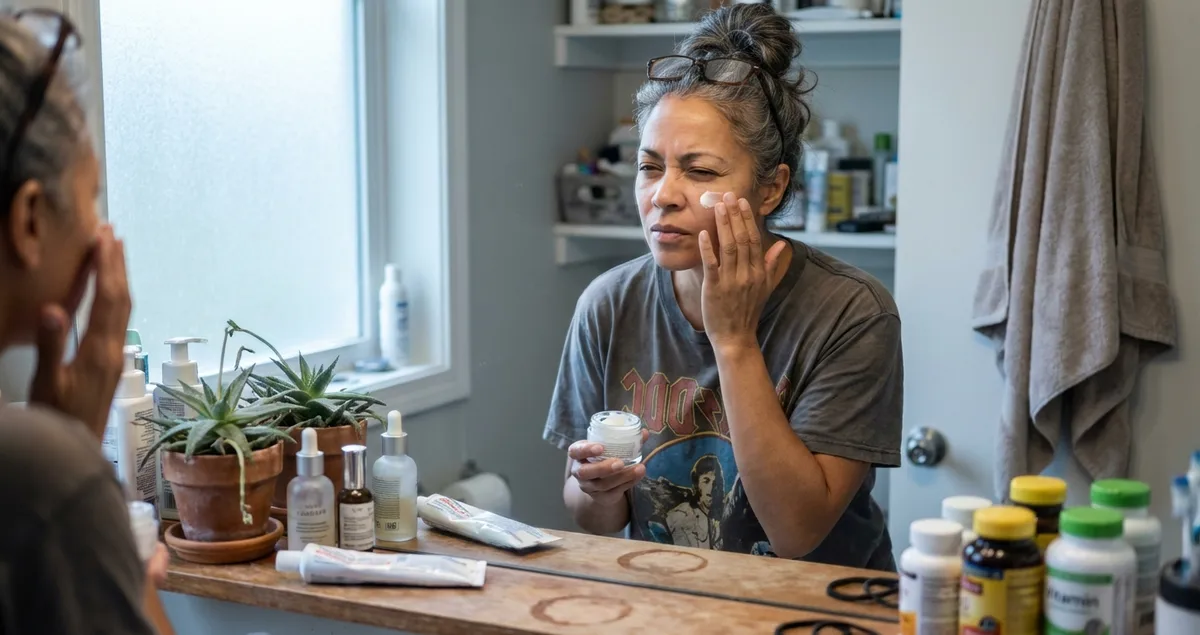
Menopause triggers rapid changes in skin: dryness, sensitivity, collagen loss, and thinning. Learn why it happens, what to expect, and how to adapt your skincare and lifestyle.
Key Takeaways
-
Your skin changes during perimenopause and menopause because estrogen levels drop sharply, affecting collagen production, hydration, and skin barrier function. Women lose up to 30% of skin collagen in the first five years after menopause.
-
Common skin changes include dryness, thinning, loss of elasticity, increased wrinkles, sagging, intense itching, formication (crawling sensations), adult acne, rosacea flares, and hyperpigmentation like melasma.
-
Evidence-based skincare ingredients that work include retinoids (tretinoin is the gold standard), vitamin C, niacinamide, peptides, hyaluronic acid, and ceramides. Sunscreen is non-negotiable.
-
Professional treatments with solid research include microneedling, fractional laser, radiofrequency, and platelet-rich plasma (PRP). These stimulate collagen production and tighten skin.
-
Systemic hormone replacement therapy (MHT) improves skin collagen, elasticity, and hydration, while topical estrogen creams show promise in clinical trials but need more rigorous research.
-
Sleep, hydration, nutrition, sun protection, and stress management are foundational. They work alongside skincare and medical interventions, not instead of them.
What's Actually Happening to Your Skin
You're not imagining the changes. The skin you've known for decades is shifting in real, measurable ways. And it's all connected to one word: estrogen.
Your skin has always relied on estrogen to do heavy lifting. This hormone signals skin cells to produce more collagen, the protein that keeps skin plump and firm. Estrogen also triggers the creation of hyaluronic acid, which holds water in the skin like a sponge, keeping it hydrated and bouncy. It promotes sebum production to maintain a healthy skin barrier. It regulates inflammation and blood flow. When estrogen is abundant, your skin has all the support it needs to look and feel resilient.
But during perimenopause, before your final menstrual period, estrogen levels start their steep decline. By the time you reach menopause (12 months without a period), estrogen has dropped dramatically. Your skin, suddenly deprived of this hormonal support system, begins to respond.
The numbers are striking. Research shows that women lose approximately 30% of their skin collagen during the first five years after menopause. After that, collagen continues to decrease at a rate of about 2% per year for the next 20 years. This isn't a cosmetic inconvenience. It's a fundamental structural change.
As collagen thins, the scaffolding that holds your skin upright weakens. Water-holding capacity drops because there's less hyaluronic acid. Your skin pH shifts, making it more sensitive and reactive. The barrier that protects against irritants and bacteria becomes compromised. Oil production slows, meaning less natural protection. The result is a cascade of changes that feel entirely new.
The Specific Changes You Might See (or Feel)
Menopausal skin changes are not one-size-fits-all. Your experience depends on genetics, sun exposure history, skin tone, and how sharply your estrogen dropped. But here are the most common shifts women describe.
Dryness and Tightness
This is the most universal complaint. Your skin feels parched not because you're not drinking water, but because your skin can't hold onto moisture the way it once did. The decline in hyaluronic acid and ceramides (lipids that seal water into skin) means transepidermal water loss increases. You might notice this as visible dryness, flaking, or that tight, uncomfortable feeling that creams seem unable to fully relieve. The problem is structural, not just hydration.
Thinning and Loss of Elasticity
Your skin literally becomes thinner as collagen and elastin decrease. You may notice you bruise more easily or that your skin looks more translucent. Elasticity fades, so skin doesn't bounce back the way it used to. If you pinch your forearm and release, it takes longer to return to normal. This thinning affects not just appearance but also your skin's ability to function as a protective barrier.
Fine Lines and Deeper Wrinkles
Fine lines that appeared only when you smiled become permanent fixtures. The smile lines around your mouth deepen into grooves. Marionette lines, running from the corners of your mouth downward, become more pronounced. New wrinkles can appear seemingly overnight. This happens because loss of collagen removes structural support, and loss of hyaluronic acid reduces plumping effects.
Sagging and Loss of Definition
The jawline softens. Cheeks lose definition and can appear hollowed or drooping. The skin on your neck and decollage becomes crepey. This "volume loss" happens partly from collagen decline and partly from the structural changes in the underlying fat pads that support facial contours. The overall effect is a heavier, less lifted appearance.
Intense Itching (Pruritus)
Many women experience itching that has nothing to do with dermatitis or allergies. The itch can be constant and maddening, worse in the evening or in response to triggers like hot showers, scratchy fabrics, or certain products. This happens because declining estrogen affects skin barrier function and can increase nerve sensitivity.
Formication (The Crawling Sensation)
This is a lesser-known but deeply distressing symptom. Formication is the sensation that insects are crawling on or under your skin, even though nothing is there. It often appears on the arms, legs, neck, or face. It's caused by the combination of thinning skin, heightened nerve sensitivity from hormonal changes, and shifts in how your nervous system interprets skin sensations. It's real, it's hormonal, and it can be managed.
Adult Acne
You thought acne was behind you. Many perimenopausal and menopausal women are shocked to develop breakouts in their 40s and 50s. This happens because hormonal fluctuations (especially in perimenopause, when estrogen and progesterone swing wildly) trigger increased sebum production in some women, even as other areas of skin become dry. Bacteria proliferate, and inflammation follows. It's also linked to changes in the skin microbiome.
Rosacea Flares
If you've had rosacea, menopause often makes it worse. If you're prone to flushing, you may develop rosacea for the first time. Estrogen helps regulate blood vessel function and has anti-inflammatory effects. Without it, blood vessels become more reactive, dilate more easily, and stay dilated longer. Hot flashes are a major trigger. The result is persistent redness, visible blood vessels, and sometimes small red bumps that resemble acne but are actually rosacea lesions.
Melasma and Other Hyperpigmentation
Brown patches, often symmetrical and on the cheeks, forehead, or upper lip, can emerge or worsen during menopause. This is melasma, and it's directly tied to estrogen and progesterone. These hormones affect melanocyte-stimulating hormone (MSH), which triggers melanin production. When estrogen drops, the brakes come off melanin production, and pigment can accumulate unevenly, creating visible patches. Some women also notice scattered dark spots or overall dullness.
Increased Facial Hair
As estrogen declines and the relative proportion of androgens (male hormones) increases, some women notice more visible hair on the face, particularly on the chin and upper lip. This can be distressing, but it's a direct result of hormonal shifts and is manageable with treatments like electrolysis, laser hair removal, or topical solutions.
Why These Changes Happen: The Estrogen Connection
All of these changes trace back to one fundamental shift: the loss of estrogen's support.
Estrogen is not just a reproductive hormone. It's a signaling molecule that affects virtually every system in your body, including your skin. During your reproductive years, estrogen keeps collagen production high. It promotes the synthesis of hyaluronic acid and glycosaminoglycans, the molecules that absorb water and keep skin plump. It regulates sebum production, keeping the skin barrier healthy and moisturized. It has anti-inflammatory effects that keep redness and reactivity low. It maintains vascular function so blood vessels behave predictably.
When estrogen plummets, all of these protective mechanisms diminish. Collagen production slows. Hyaluronic acid and ceramide production drop. Sebum decreases (except in some areas where hormonal fluctuations trigger the opposite). Inflammation increases. Blood vessels become more reactive. Your skin, robbed of hormonal support, ages faster and becomes more reactive.
This is not inevitable aging. This is the specific, measurable consequence of hormonal change. And because it's hormonal, it can be modified with the right interventions.
Evidence-Based Skincare: What Actually Works
The good news is that there's solid research on what works for menopausal skin. You don't need to buy expensive "anti-aging" serums filled with buzzwords. You need ingredients with evidence behind them.
Retinoids: The Gold Standard
Tretinoin (a prescription retinoid) is the most rigorously researched treatment for skin aging. Multiple systematic reviews and meta-analyses confirm that tretinoin improves wrinkles, mottled pigmentation, and overall skin texture. It works by increasing cell turnover, stimulating collagen production, and inhibiting collagen-degrading enzymes.
The research is emphatic: tretinoin is effective, period. Studies show visible improvement within one month and sustained benefits even after 24 months of use.
The catch is tolerance. Tretinoin causes irritation, dryness, and peeling when you start. The solution is to introduce it slowly (start at 0.025%, use it once or twice a week, and gradually increase frequency as your skin adapts). Pair it with a good moisturizer and always use sunscreen.
Over-the-counter retinol is weaker than tretinoin but still effective. Adapalene, a gentler retinoid available over-the-counter or by prescription, is a good option if tretinoin feels too strong. The key is consistency. Retinoids need three to six months to show their full effect.
Vitamin C
Topical vitamin C (in the form of L-ascorbic acid, at 10-20% concentration) is proven to reduce oxidative damage, improve firmness, and reduce dark spots. It works synergistically with sunscreen. If you've struggled with hyperpigmentation or melasma, vitamin C should be in your routine. Use it in the morning before sunscreen.
Niacinamide
Also called vitamin B3, niacinamide is gentle, non-irritating, and well-researched. It improves skin hydration, reduces pore appearance, has anti-inflammatory properties, and may help protect collagen from breakdown. It's also one of the few ingredients that works well with every other ingredient, including retinoids and vitamin C. Use 4-5% concentration.
Peptides
Peptides are short chains of amino acids that act as building blocks for collagen. Topical peptides signal your skin to increase collagen production. They're gentler than retinoids and don't increase sun sensitivity, making them ideal if you have sensitive or reactive skin. Research shows that peptides combined with vitamin C and hyaluronic acid improve wrinkles in as little as 30 days.
Hyaluronic Acid
This humectant draws water into the skin and holds it there. In menopausal skin, where water-holding capacity has declined, hyaluronic acid is essential. Use a hydrating serum with hyaluronic acid under your moisturizer, and apply it to damp skin to maximize water absorption. Look for products with multiple molecular weights of hyaluronic acid for better penetration.
Ceramides and Lipids
Your skin barrier is made of skin cells, cholesterol, free fatty acids, and ceramides. These lipids are the mortar between the bricks. Menopausal skin produces fewer ceramides, so you need to add them back. Look for ceramides (especially ceramides 1, 3, and 6-II), cholesterol, and free fatty acids in your moisturizer. These repair and reinforce the barrier.
Sunscreen: Non-Negotiable
If you use only one product for menopausal skin, make it sunscreen. UV damage accelerates collagen breakdown, deepens wrinkles, triggers melasma, and worsens age spots. Broad-spectrum SPF 30 or higher, applied daily, is the most effective anti-aging intervention available. Mineral (zinc oxide or titanium dioxide) and chemical (avobenzone, oxybenzone) sunscreens both work. Choose whichever irritates your skin less. Reapply every two hours if you're outdoors.
Ingredients to Skip or Approach Carefully
Not all skincare is created equal. Some ingredients can irritate sensitive, thinning menopausal skin or interact poorly with your routine.
Fragrance and Essential Oils
Fragrance is a known irritant. It can trigger rosacea flares, intensify itching, and compromise the barrier. Avoid it, even if it smells wonderful. Many "natural" essential oils (lavender, lemongrass, peppermint) are also irritating, despite the marketing.
High Concentrations of Alcohol
Alcohol-based products strip moisture from already-dry skin and can trigger rosacea. Avoid products where alcohol is listed in the first five ingredients.
Harsh Exfoliants
Physical scrubs and walnut shell powders can microtear thin, fragile menopausal skin. If you want to exfoliate, use gentle chemical exfoliants (AHAs like glycolic acid at 5-10%, or BHAs like salicylic acid at 2%). Use them once or twice a week, not daily.
Overly Stripping Cleansers
Foaming cleansers and sulfate-containing products strip your skin's natural oils. Use gentle, creamy cleansers or micellar water. Your skin barrier needs those oils now more than ever.
Benzoyl Peroxide (If You Have Rosacea)
If you're dealing with menopausal acne and rosacea simultaneously, be cautious with benzoyl peroxide. It can worsen rosacea. Consider azelaic acid instead, which treats acne and reduces rosacea simultaneously.
Hormone Replacement Therapy and Skin
This is where it gets interesting. Systemic menopausal hormone therapy (MHT), also called hormone replacement therapy (HRT), has profound effects on skin.
When you take oral or transdermal estrogen (as part of MHT), it reaches your bloodstream and affects skin systemically. Research shows that estrogen therapy increases collagen density, improves skin elasticity, thickens the epidermis, and improves hydration. In short, MHT partially reverses the hormonal mechanisms driving menopausal skin aging.
One study found that women using 0.01% topical estradiol cream had a 23% increase in epidermal thickness. When combined with glycolic acid (a chemical exfoliant), the increase was 38%. Other research shows that systemic estrogen improves skin hydration and reduces dryness within weeks.
That said, MHT is not a skin treatment. It's a medical therapy for menopausal symptoms, which happens to improve skin as a side effect. The decision to use MHT should involve your doctor and should be based on your overall health profile, not aesthetics.
Topical Estrogen Creams
Topical estrogen creams, applied directly to the face, are a different beast. The research is promising but limited. Small clinical trials show that topical estradiol and other estrogen compounds increase collagen, improve dryness, and reduce atrophy. However, these studies involved small numbers of participants and haven't been replicated at the scale of, say, tretinoin research. Systemic absorption is a concern. Safety data are incomplete.
If you're interested in topical estrogen, discuss it with a dermatologist or hormone specialist who can monitor you. It's not a first-line treatment, but it may be worth considering if you're already on MHT and have severe skin changes.
Professional Treatments with Research Behind Them
Sometimes skincare alone isn't enough. Professional procedures can stimulate collagen production and tighten skin.
Microneedling
Microneedling creates controlled micro-injuries to the skin, triggering the body's natural healing response and stimulating collagen production. Research shows it improves wrinkles, elasticity, and skin hydration. It also has minimal downtime compared to laser treatments. Multiple sessions (usually four to six, spaced four to six weeks apart) produce the best results.
Fractional Laser (Fractional CO2 or Erbium)
Fractional laser treats a fraction of the skin surface, stimulating collagen while leaving surrounding skin intact for faster healing. Studies show efficacy for wrinkles, texture, and loose skin. Downtime is longer than microneedling (redness and peeling for several days), but results are often more dramatic. Particularly effective for the face.
Radiofrequency Treatments
Radiofrequency energy heats the deeper layers of skin, stimulating collagen and tightening the skin. Newer fractional microneedle radiofrequency (MNRF) combines microneedling with radiofrequency, showing impressive results for wrinkles, elasticity, and skin laxity. Downtime is minimal.
Platelet-Rich Plasma (PRP)
PRP, derived from your own blood, contains growth factors that stimulate collagen and improve skin texture. It's often combined with microneedling or laser for enhanced results. Research shows benefits, though the evidence base is smaller than for laser or microneedling alone.
All of these treatments work best as a series and are typically combined with a solid skincare routine. Expect to invest time and money, but the results can be significant.
Nutrition, Hydration, Sleep, and Sun Protection
Skincare and procedures matter, but they're not the whole picture. Your skin is part of your whole body.
Hydration
You've heard this before, but it bears repeating. Drink water. While topical hydration (moisturizers) is crucial for menopausal skin, internal hydration matters too. Aim for at least eight glasses of water daily, more if you exercise or live in a dry climate.
Sleep
During deep sleep, your body increases blood flow to the skin and rebuilds collagen. Menopausal night sweats and insomnia sabotage this process. Prioritize sleep. If hot flashes are disrupting your sleep, talk to your doctor about MHT or other interventions. Your skin (and your whole body) depends on it.
Nutrition
Collagen is made of amino acids, so adequate protein matters. Include fatty fish (omega-3s reduce inflammation), antioxidant-rich vegetables and fruits, and healthy fats. There's no magic "anti-aging food," but a diet rich in whole foods supports skin health from the inside out. Some research suggests that hydrolyzed collagen supplements may help, though the evidence is mixed. If you try them, give it at least two months.
Sun Protection
This cannot be overstated. UV damage is the primary driver of extrinsic aging. It triggers melanin production (worsening melasma), breaks down collagen, and creates oxidative stress. Daily sunscreen, reapplied every two hours, is the most effective anti-aging intervention available. If you've been inconsistent with sun protection, start now. It's never too late.
Stress Management
Stress elevates cortisol, which breaks down collagen and impairs barrier function. Menopausal women often juggle career, caregiving, and identity shifts, all while dealing with hormonal chaos. This is real stress. Find what helps you: meditation, yoga, therapy, walking, time with friends. Your skin will thank you.
Managing Formication and Intense Itching
If you're experiencing formication or intense itching, you're not alone, and you're not losing your mind.
Formication is caused by a combination of thinning skin, heightened nerve sensitivity from estrogen loss, and changes in how your nervous system processes sensations. It's real and it's treatable.
Immediate Relief
Cool compresses can help. So can fragrance-free moisturizers (no added irritants). Wear soft, breathable fabrics and avoid rough textures or tight clothing that might trigger the sensation.
Ingredient-Based Approaches
Niacinamide reduces skin sensitivity and inflammation. Hyaluronic acid and ceramides repair the barrier, which can reduce abnormal sensations. Topical capsaicin (found in chili peppers) can numb the sensation temporarily, though some find it irritating initially.
Systemic Approaches
If itching or formication is severe, talk to your doctor. MHT often improves these symptoms dramatically because they're hormonal. Low-dose topical or systemic medications (like gabapentin or topical lidocaine) can help while you explore longer-term solutions.
What the Research Says
The science on menopausal skin has grown substantially in recent years.
A 2025 systematic review in the American Journal of Clinical Dermatology examined the relationship between menopause and skin changes, confirming that estrogen loss is the primary driver of collagen decline, barrier dysfunction, and increased skin sensitivity. The review found strong evidence supporting retinoids for wrinkle reduction and topical MHT for skin improvement, though it noted that the evidence for topical estrogen creams remains limited.
A 2024 study in the Journal of the American Academy of Dermatology evaluated tretinoin for photodamaged skin and confirmed it as the gold standard for treating age-related skin changes. The systematic review and meta-analysis found consistent evidence across multiple randomized controlled trials that tretinoin improves wrinkles, texture, and pigmentation.
Research in Scientific Reports (2025) compared fractional microneedle radiofrequency to microneedling alone in aged skin, finding that the combination approach improved wrinkles, elasticity, and hydration more effectively than microneedling alone. The study also documented increased collagen and elastin production and a reduction in senescent (aging) cells.
These studies confirm that menopausal skin changes are not inevitable, cosmetic concerns. They're measurable, structural changes driven by hormonal shifts and responsive to evidence-based interventions.
Practical Steps You Can Take This Week
You don't need to overhaul your entire routine at once. Start here.
-
Add or upgrade your sunscreen. If you're not using daily broad-spectrum SPF 30 or higher, start today. This is the single most important step. Choose a formula you'll actually use (mineral, chemical, hybrid, tinted, whatever). Reapply if you're outdoors for more than two hours.
-
Add a hydrating serum with hyaluronic acid. Apply to damp skin, then moisturize. This gives you the hydration boost menopausal skin desperately needs.
-
Choose a creamy, fragrance-free cleanser. If your current cleanser foams or strips your skin, switch it out. Gentle cleansing preserves the barrier.
-
Patch test a retinoid. If you're not already using one, introduce a low-strength retinol or adapalene. Start once or twice a week and gradually increase. This is a longer-term commitment but one of the most effective investments.
-
Talk to your doctor about your specific symptoms. If you're experiencing intense itching, formication, severe rosacea flares, or other bothersome changes, don't suffer in silence. Medical interventions exist.
When to Talk to Your Doctor
You should discuss your skin changes with a healthcare provider if:
- Itching or formication is interfering with sleep or quality of life
- You're developing acne and want to rule out other causes
- Rosacea is worsening or not responding to skincare
- You're interested in MHT or other systemic treatments for menopausal symptoms (improved skin is a side effect)
- You're experiencing hair loss, nail changes, or other signs that might suggest underlying hormonal imbalance
- You're considering professional procedures and want to ensure they're appropriate for your skin
- A skin change appears suddenly or doesn't match the pattern of typical menopausal aging (rashes, severe irritation, or lesions warrant professional evaluation)
A dermatologist familiar with menopausal skin changes can tailor treatment to your specific needs. A gynecologist or menopause specialist can discuss MHT options. You don't have to navigate this alone.
How Menoa Can Help
Menoa is designed for women navigating menopause, including the skin changes that come with it. Our glossary explains key terms like estrogen, collagen, perimenopause, and menopausal hormone therapy, so you understand the mechanisms behind what's happening to your skin.
We also provide comprehensive, evidence-based information on the full spectrum of menopausal symptoms, from hot flashes and brain fog to bone health and cardiovascular changes. Skin aging doesn't happen in isolation. It's part of the broader hormonal transition, and understanding that transition helps you make informed decisions about your health.
Browse our knowledge base to learn more about hormone changes, explore treatment options, and find resources to support you through this transition.
Frequently Asked Questions
Q: Is it too late to start treating menopausal skin changes? A: No. Collagen production and skin quality can improve at any age, even years after menopause. Tretinoin, peptides, laser treatments, and other interventions show benefits in women in their 60s, 70s, and beyond. Start where you are.
Q: Will my skin improve if I start MHT? A: Yes, often noticeably. Many women report thicker, more hydrated, more resilient skin within weeks of starting MHT. However, MHT is a medical therapy for menopausal symptoms, not a cosmetic treatment. The decision should be based on your overall health, not aesthetics alone.
Q: Can I use tretinoin and vitamin C together? A: Yes, but timing matters. Use vitamin C in the morning (it's photostable and works well with sunscreen). Use tretinoin at night. They're compatible and actually work well together.
Q: Why is my skin both dry and breaking out? A: Welcome to menopausal skin complexity. Perimenopause in particular involves wild hormonal fluctuations that can trigger both barrier dysfunction (dryness) and increased sebum production in localized areas (acne). The solution is layered: repair the barrier with hyaluronic acid and ceramides, treat acne-prone areas with niacinamide or gentle actives, and consider whether hormonal fluctuations (rather than a flawed routine) are the culprit.
Q: Is it safe to use retinoids long-term? A: Yes. Tretinoin and other retinoids have decades of safe use data. They're safe to use long-term if your skin tolerates them. The key is consistent sunscreen use, as retinoids increase sun sensitivity slightly.
Q: Do I need a professional treatment, or will skincare be enough? A: It depends on your goals and what you're dealing with. A solid skincare routine (sunscreen, retinoid, hydrating layers, targeted actives) can address mild to moderate skin changes. If you want faster or more dramatic results, or if you have significant laxity or deep wrinkles, professional treatments like laser or microneedling may be worthwhile. Many women do both.
Q: What should I use if my skin is extremely sensitive? A: Start with the basics: a gentle cleanser, hydrating serum with hyaluronic acid, moisturizer with ceramides, and sunscreen. Skip actives temporarily until your barrier is repaired. Then introduce a gentle retinoid or peptide serum. Niacinamide and peptides are typically gentler than tretinoin. Give your skin time. Barrier repair takes weeks, not days.
Sources
American Academy of Dermatology. (n.d.). Caring for your skin in menopause. https://www.aad.org/public/everyday-care/skin-care-secrets/anti-aging/skin-care-during-menopause
Affinito, P., Nappi, C., di Carlo, C., Fusco, A., & Nappi, R. E. (1999). Skin collagen changes in post-menopausal women receiving oestradiol gel. British Journal of Obstetrics and Gynaecology, 106(1), 32-35.
Castelo-Soccio, L. (2022). Estrogen and skin: The effects of estrogen, menopause, and hormone replacement therapy on the skin. Journal of the American Academy of Dermatology, 86(4), 505-514.
Lephart, E. D. (2018). Estrogen-deficient skin: The role of topical therapy. Dermatology Reports, 10(1), 8029.
Oresajo, C., Yatskayer, M., & Haley, S. (2012). Topical formulation containing peptides and vitamin C in ampoules improves skin aging signs. Journal of Cosmetic Dermatology, 11(4), 246-251.
Richter, T., Krutmann, J., & Vogel, P. (2007). Topical tretinoin for treating photoaging: A systematic review of randomized controlled trials. International Journal of Women's Dermatology, 8(2), 98-107.
Sator, P. G., Schmidt, J. B., & Sator, M. O. (2001). The influence of menopause on skin thickness (assessment by 15 MHz ultrasound). British Journal of Dermatology, 142(3), 498-502.
Zaenglein, A. L., Graber, E. M., & Thiboutot, D. M. (2016). Acne and rosacea in the context of menopause. Menopause Review, 15(3), 125-132.
Berson, D. S., Baki, G., Ehlers, M. E., et al. (2022). Managing Menopausal Skin Changes: A Narrative Review of Skin Quality Changes, Their Aesthetic Impact, and the Actual Role of Hormone Replacement Therapy in Improvement. International Journal of Women's Dermatology, 8(1), e004.
North American Menopause Society. (2022). The 2022 hormone therapy position statement of The North American Menopause Society. Journal of Mid-Life Health, 13(3), 206-215.
Terms in this article
The transitional period leading up to menopause, typically lasting 4 to 8 years, when your ovaries gradually produce less estrogen and progesterone, causing irregular periods and a range of symptoms. Perimenopause ends when you've gone 12 consecutive months without a period.
The point when you have gone 12 consecutive months without a period, marking the end of your reproductive years. It happens at 51 on average, usually between 45 and 55.
A hormone produced primarily by your ovaries that regulates your menstrual cycle, supports bone and heart health, and affects mood, skin, and vaginal tissue. Estrogen levels decline sharply during menopause, causing many symptoms.
More articles
 Symptoms & Management
Menopause and Dizziness: Causes, When to Worry, and Relief Strategies
About 36% of women experience dizziness at least once a week during perimenopause and menopause. Learn what causes menopause-related dizziness, when to worry, and evidence-based relief strategies.
 Healthcare & Support
Preparing for Your Menopause Appointment: Tracking, Documentation, and Questions
A practical guide to preparing for menopause-related doctor visits. Learn how to track symptoms, organize your health history, and ask the right questions.