Heart Palpitations and Menopause - When to Worry and What to Do

Learn why up to 54% of women experience heart palpitations during menopause, what the research shows, and practical strategies to manage them safely.
Key Takeaways
- Up to 54% of women experience heart palpitations during menopause, making it one of the more common symptoms
- Most menopause-related palpitations are harmless and don't signal a dangerous heart condition
- Declining estrogen affects your heart's electrical system and blood vessel function, triggering the fluttering or racing sensation
- Lifestyle changes like reducing caffeine, managing stress, improving sleep, and regular exercise can significantly reduce frequency and severity
- Hormone replacement therapy (HRT) is the most effective treatment when palpitations are severe or accompanied by other menopausal symptoms
- You should see a doctor if palpitations are accompanied by chest pain, dizziness, fainting, or shortness of breath
That Sudden Flutter in Your Chest
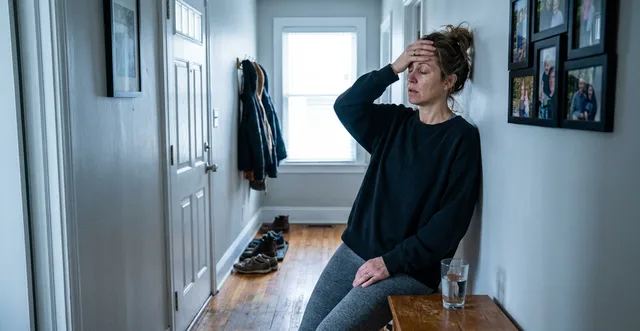
You're standing in line at the grocery store when your heart suddenly feels like it's racing, or skipping a beat, or doing a flip inside your chest. Your first instinct is panic. But this moment, this unsettling sensation, is something that up to 54% of postmenopausal women experience. You are not alone, and in most cases, what you're feeling is not dangerous.
Heart palpitations during menopause are real, they are common, and they can be genuinely unsettling. But understanding what's happening in your body, and knowing what you can actually do about it, transforms them from something scary into something manageable.
What Heart Palpitations Actually Feel Like
When women describe palpitations, they use remarkably consistent language: a fluttering sensation, like a bird trapped in your chest. A skipped heartbeat, followed by a forceful thump. A racing sensation, as if your heart is trying to escape. A flip-flopping feeling, sometimes just for a second, sometimes for several seconds.
These descriptions matter because they help distinguish palpitations from other sensations. You might feel them during everyday moments, or they might wake you from sleep. Some women notice them clustered around hot flashes. Others experience them randomly throughout the day.
The key point: what you're experiencing is real. Your heart is genuinely behaving differently than it normally does. But in the vast majority of cases, this is not arrhythmia in the dangerous sense. This is your heart responding to hormonal chaos.
The Hormone Connection: What's Happening in Your Body
To understand palpitations, you need to understand what estrogen does to your heart.
Estrogen is not just a reproductive hormone. It acts throughout your cardiovascular system. It helps regulate how calcium moves in and out of heart muscle cells, controlling the electrical signals that make your heart beat in steady rhythm. Estrogen affects the blood vessels that feed your heart. It influences the autonomic nervous system, the part of your brain that controls unconscious processes like heart rate and blood pressure.
During perimenopause and menopause, estrogen doesn't just decline steadily. It fluctuates wildly, rising and falling unpredictably. Your heart's electrical system is exquisitely sensitive to these changes. When estrogen drops suddenly, your heart responds by becoming more reactive, more prone to irregular beats. When it spikes, different effects unfold. This hormonal turbulence is the physiological foundation of menopause-related palpitations.
Beyond hormones, your nervous system is also responding to all the other menopause symptoms you're managing. The hot flashes that wake you at 3 AM create sleep deprivation. The anxiety and mood changes that can accompany menopause amplify your body's stress response. Stress increases adrenaline, and adrenaline makes your heart more prone to irregular beats. The research shows that palpitations are strongly associated with vasomotor symptoms (hot flashes and night sweats) and anxiety.
This is why understanding palpitations requires looking at the whole picture, not just your heart in isolation.
How Common Is This Really?
The research is clear: palpitations are one of the most frequent menopause symptoms, second only to hot flashes in some studies.
According to a 2022 scoping review published in NIH research, 40.2% of perimenopausal women and 54.1% of postmenopausal women report experiencing palpitations. Another study found that 42% of perimenopausal women specifically report palpitations as a symptom.
What's interesting is that while palpitations are incredibly common, many women don't discuss them with their doctors. Studies show that 44-87% of women aged 40-59 believe their palpitations require treatment, yet many remain silent about the symptom, possibly assuming nothing can be done or worried about sounding dramatic.
This is important: if you're experiencing palpitations, statistically, at least one other woman in any group of ten menopausal women is going through the same thing right now.
When to Seek Medical Attention Immediately
Before discussing management, let's be clear about when palpitations warrant urgent care.
Seek immediate medical attention if your palpitations are accompanied by:
- Chest pain or chest pressure
- Shortness of breath or difficulty breathing
- Dizziness or feeling faint
- Fainting
- Nausea or vomiting
- Palpitations that last for extended periods (more than a few minutes or recurring frequently within hours)
- A sensation that feels fundamentally different from your normal palpitations
These symptoms could indicate an underlying heart condition like atrial fibrillation or another arrhythmia that requires evaluation. The good news: most menopause-related palpitations do not have these accompanying symptoms. But if you're uncertain, it's always better to check with your doctor.
Ruling Out Other Causes: Your Doctor's First Move
If you go to your doctor with palpitations, they should start by ruling out other medical causes. This is important because while menopause explains many palpitations, other conditions can also trigger them.
Your doctor will likely order:
- A thyroid panel (thyroid dysfunction is common around menopause and causes palpitations)
- Basic bloodwork to check for anemia, electrolyte imbalances, and other metabolic issues
- Possibly an EKG or heart monitor to check your heart's electrical activity and rhythm
- A careful history of caffeine, alcohol, and supplement use
Once other causes are ruled out, and your heart is confirmed to be structurally healthy, the palpitations can confidently be attributed to perimenopause or menopause itself. This alone is reassuring. A structurally healthy heart is a fundamentally different situation than a heart with actual disease.
What the Research Shows About Treatment
Here's what might surprise you: despite palpitations affecting roughly half of menopausal women, the research on treating them is limited. A 2022 systematic review found that there is no Level 1 evidence (the gold standard) for managing menopause-related palpitations. What does exist is a body of evidence about what helps, sorted by strength of evidence and type of intervention.
Hormone Replacement Therapy (HRT)
The strongest evidence supports HRT. A 2022 systematic review found that menopausal hormone therapy is the only available treatment that may be effective against heart palpitations. Taking the right dose and type of hormones can relieve palpitations caused by estrogen deficiency.
The mechanism is straightforward: by stabilizing your estrogen levels, HRT removes the hormonal chaos that's triggering irregular beats in the first place. Estradiol-based therapies show more promise for palpitation relief than other formulations.
However, HRT is not typically prescribed for palpitations alone. It's usually recommended when you have multiple menopausal symptoms like hot flashes, night sweats, or vaginal dryness. If palpitations are your only or primary symptom, your doctor might suggest lifestyle approaches first.
Lifestyle Interventions: The Evidence
Lifestyle changes have weaker research support than HRT, but they are supported by evidence and carry no side effects:
Caffeine reduction: Caffeine is a stimulant that increases heart rate and can trigger or worsen palpitations. Cutting back on coffee, tea, and energy drinks is one of the most frequently recommended first-line interventions. If you drink multiple cups of coffee daily, gradually reducing to one cup or switching to decaf may noticeably reduce palpitation frequency.
Stress management: Studies show that anxiety and stress are independently associated with palpitations in menopausal women. Practices that calm your nervous system help. This includes yoga, meditation, deep breathing exercises, and progressive muscle relaxation. Even 10-15 minutes daily can make a difference.
Sleep quality: Poor sleep is a palpitation trigger, and sleep disturbance is rampant during menopause. Prioritizing sleep, keeping your bedroom cool (especially important since you're likely experiencing night sweats), and establishing a consistent bedtime routine can reduce palpitations.
Regular exercise: Moderate aerobic exercise creates the most heart health benefits after menopause. Walking, cycling, swimming, or dancing for 150 minutes per week provides cardiovascular benefits and reduces stress and anxiety. Exercise also improves sleep quality, creating a cascading benefit.
Hydration: Dehydration makes your heart work harder and can trigger palpitations. Drinking adequate water, particularly if you're experiencing hot flashes or night sweats, is a simple but often overlooked strategy.
Alcohol reduction: While the research on alcohol is mixed, many women report that reducing alcohol intake decreases palpitation frequency. Alcohol affects heart rhythm and interacts with hormonal fluctuations.
Avoiding other triggers: Nicotine, spicy foods, and certain supplements can exacerbate palpitations. Identifying your personal triggers (often through a symptom diary) allows you to avoid them strategically.
Practical Strategies: What Actually Works
Let's move beyond the research to the practical reality of living with palpitations.
Strategy 1: Identify Your Triggers
Not all palpitations are identical. Some women find theirs cluster around hot flashes. Others notice them after caffeine, stress, or poor sleep. A few women report them seemingly at random.
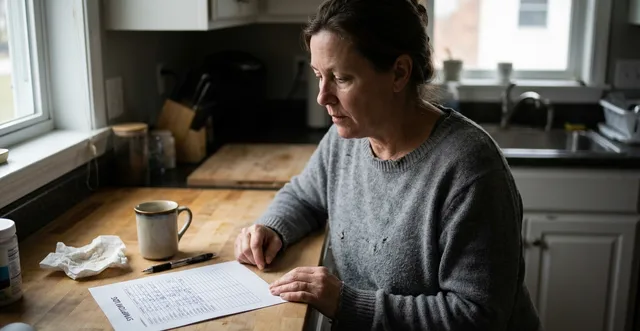
Keep a simple log for two weeks: when you experience palpitations, what you were doing, what you'd eaten or drunk, your stress level, and where you were in your sleep cycle. Patterns will emerge. Most women find at least one modifiable trigger.
Strategy 2: Create a Calm Response
When a palpitation happens, panic amplifies the sensation and creates anxiety, which triggers more palpitations. Breaking this cycle is crucial.
Develop a personal response protocol:
- Pause what you're doing
- Take a slow, deep breath in through your nose for a count of four
- Hold for a count of four
- Exhale slowly through your mouth for a count of six
- Repeat 3-5 times
This activates your parasympathetic nervous system, the body's natural calming mechanism. Your heart will settle within seconds or a few minutes. The palpitation itself will pass, but your calm response prevents escalation into panic.
Strategy 3: Reframe Your Relationship with Your Heart
This is psychological but genuinely powerful. Instead of "my heart is broken or dangerous," the reframe is "my heart is healthy and temporarily irritable due to hormonal chaos."
This shift matters because it changes how you interpret physical sensations. Rather than every flutter triggering catastrophic thinking, you can acknowledge the sensation, recognize it as a hormonal palpitation, and return your attention to what you were doing. This is not magical thinking. It's the documented psychological mechanism behind cognitive behavioral therapy for health anxiety.
Strategy 4: Talk to Your Doctor About Monitoring Options
If palpitations are frequent or causing significant distress, your doctor might recommend:
- An event monitor or Holter monitor you wear for 24 hours to capture your heart's rhythm during daily activities
- A home blood pressure monitor to check for secondary hypertension
- A referral to a cardiologist if there's any concern about an underlying rhythm problem
Sometimes simply knowing that testing has confirmed your heart is healthy is enormously reassuring and itself reduces anxiety-driven palpitations.
When to Consider HRT
If palpitations are significantly impacting your quality of life, and you have other menopausal symptoms, HRT might be appropriate for you.
The decision to use HRT is personal and involves weighing benefits against risks. HRT is most clearly beneficial for women with moderate to severe hot flashes, night sweats, or vaginal dryness. For palpitations specifically, HRT helps but is not the only option.
Considerations with your doctor:
- Your personal and family history of heart disease, blood clots, breast cancer, and stroke
- Your age and how far into menopause you are
- The severity of your symptoms and how much they're affecting your daily life
- Whether you prefer a systemic hormone (pill, patch, gel) or a lower-dose vaginal formula
- How long you're willing to use HRT (some women use it for a few years, others longer)
There is no universal right answer. The right choice is the one that makes sense for your specific situation, made in conversation with a doctor who knows your health history.
The Menopause-Anxiety-Palpitations Connection
One pattern emerges consistently in research: palpitations are strongly associated with anxiety and mood changes during menopause. This creates a feedback loop. Palpitations trigger anxiety. Anxiety triggers more palpitations.
If you're experiencing palpitations alongside significant anxiety, mood changes, or panic attacks, addressing the anxiety component becomes important for managing palpitations.
This might include:
- Cognitive behavioral therapy, which has strong evidence for both anxiety and palpitations
- Speaking with your doctor about whether anxiety treatment (therapy, medication, or both) makes sense for you
- Mindfulness and meditation practices, which have evidence for reducing both anxiety and palpitation frequency
Managing the whole picture, not just the heart symptom in isolation, is more effective than trying to eliminate palpitations without addressing concurrent anxiety.
What You Can Do Right Now
Today:
- Reduce caffeine intake
- Drink a glass of water if you haven't had much to drink
- Do 5-10 minutes of slow breathing or meditation
This week:
- Track when palpitations occur and what you were doing
- Choose one lifestyle change (caffeine reduction, a daily 15-minute walk, meditation, or improved sleep)
- Schedule an appointment with your primary care doctor if you haven't had one in the past year
This month:
- Complete your medical evaluation to rule out other causes
- Commit to your chosen lifestyle change
- If appropriate, discuss HRT options with your doctor
- Consider whether talking to a therapist about anxiety would help
How Menoa Can Help
The Menoa app is designed to help you understand and manage all your menopause symptoms together, including palpitations.
You can:
- Log when palpitations occur alongside your hot flashes, night sweats, and mood changes to identify patterns
- Track your lifestyle factors (sleep, exercise, caffeine intake, stress) and see how they correlate with symptom frequency
- Access expert-reviewed articles (like this one) about palpitations and other menopause symptoms
- Monitor your overall symptom burden to discuss with your doctor, making your appointments more productive
- Document your response to lifestyle changes or HRT to see what's actually working for you
FAQ
Q: Does every woman experience heart palpitations during menopause?
No. While 54% of postmenopausal women report palpitations, that means 46% do not. Palpitations are common but not universal. Many women have minimal or no palpitations during menopause.
Q: Are menopause-related palpitations dangerous?
In the vast majority of cases, no. Most menopause palpitations reflect harmless electrical irritability triggered by hormonal change, not structural heart disease. However, if palpitations are accompanied by chest pain, dizziness, or fainting, medical evaluation is essential.
Q: How long do menopause palpitations last?
Palpitations typically resolve as you transition through menopause and your hormones stabilize. For most women, this takes 5-10 years from the start of perimenopause. However, individual variation is significant. Some women experience them for shorter periods, others for longer. HRT or effective lifestyle management can reduce both frequency and duration.
Q: Can I exercise if I'm having palpitations?
Yes, with caveats. Moderate exercise is beneficial. However, if palpitations are frequent or severe, check with your doctor before starting a new exercise program. Gentle walking, swimming, and yoga are typically safe and actually help reduce palpitations over time. Intense interval training during acute palpitation episodes is best avoided.
Q: Are palpitations a sign my HRT isn't working?
Not necessarily. Palpitations can persist even on HRT, particularly if anxiety or other triggers are involved. If you've been on HRT for several weeks and palpitations haven't improved, your doctor might adjust your dose or formulation, or explore other contributing factors.
Q: Should I cut out caffeine completely?
Not necessarily. Complete elimination isn't required for many women. If you drink 3-4 cups of coffee daily, reducing to 1-2 cups often significantly decreases palpitations. Some women can tolerate moderate amounts without triggering symptoms. The goal is to find your personal threshold through experimentation.
Sources
Correlates of palpitations during menopause: A scoping review - PMC
Effect of Menopausal Symptom Treatment Options on Palpitations: A Systematic Review - PMC
Heart palpitations and menopause: When to seek help and FAQ - Medical News Today
Menopause and heart and circulatory conditions - British Heart Foundation
More articles
 Symptoms & Management
Menopause and Dizziness: Causes, When to Worry, and Relief Strategies
About 36% of women experience dizziness at least once a week during perimenopause and menopause. Learn what causes menopause-related dizziness, when to worry, and evidence-based relief strategies.
 Healthcare & Support
Preparing for Your Menopause Appointment: Tracking, Documentation, and Questions
A practical guide to preparing for menopause-related doctor visits. Learn how to track symptoms, organize your health history, and ask the right questions.