Menopause and Mental Health: When Emotions Change and What Helps
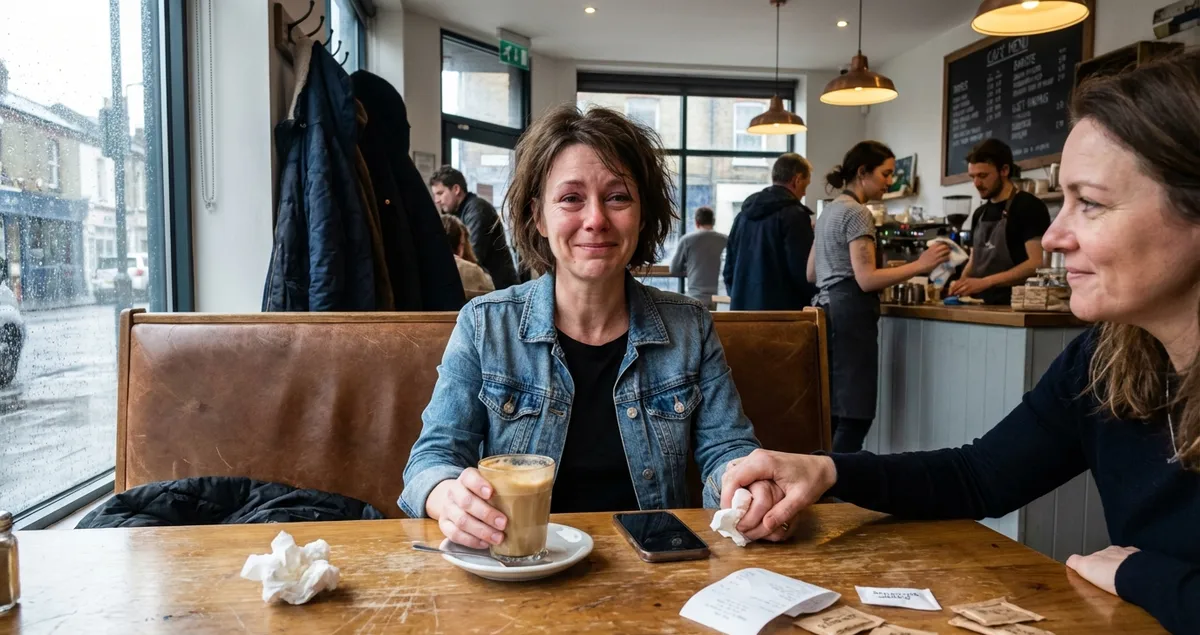
Mood changes during menopause are real and valid. Learn why your emotions shift, when to seek help, and which treatments work.
Key Takeaways
- Around 23% of women experience significant mood swings during perimenopause, driven by fluctuating estrogen levels
- The perimenopause window creates a specific vulnerability to depression, even in women without prior mental health history
- Cognitive behavioral therapy and hormone replacement therapy both show strong evidence for treating menopause-related mood changes
- Physical symptoms like hot flashes and sleep disruption intensify emotional changes by creating additional stress on your nervous system
- If you experience persistent sadness, anxiety, or thoughts of suicide, reach out to your doctor or a crisis line immediately
Menopause and Your Emotions: What You're Experiencing Is Real
You're not losing it. You're not being dramatic. If you've noticed that your emotions feel sharper, your patience thinner, or your mood swings more intense during midlife, you're experiencing something very real that's happening to millions of women right now.
The emotional shifts of menopause often come as a shock. One day you're your usual self. The next, you're crying over something small, feeling rage that doesn't match the moment, or sinking into a heaviness you can't quite name. Maybe you've snapped at someone you love without meaning to. Maybe you've felt anxiety creeping in where there was none before. Maybe you've woken up at 3 AM in a panic, your heart racing, unable to identify why. These experiences are not a character flaw or a sign of weakness. They're a predictable part of how your body changes during this transition.
What makes menopause unique is that this vulnerability to mood changes happens to many women regardless of whether they've ever struggled with depression or anxiety before. In fact, research shows that the perimenopause itself creates a specific window of risk for depression, anxiety, and mood instability. This isn't about your life circumstances or your personality. It's about your brain chemistry shifting in real time. It's biology, not weakness.
How Estrogen and Hormones Shape Your Mood
To understand why menopause affects emotions so powerfully, we need to look at what estrogen actually does in your brain.
Estrogen isn't just about reproduction. It's a signaling molecule that influences how your brain produces and uses neurotransmitters like serotonin and dopamine. Think of neurotransmitters as chemical messengers that enable communication between brain cells. Serotonin helps regulate mood, motivation, emotional resilience, and your sense of wellbeing. Dopamine affects pleasure, drive, motivation, and focus. When estrogen levels are stable, your brain can maintain consistent production of these chemicals. You feel emotionally steady. Your mood is relatively predictable.
But during perimenopause, your estrogen production becomes erratic. Some days it's high. Some days it drops sharply. This fluctuation creates turbulence in your neurotransmitter systems. Your brain is essentially trying to maintain chemical balance while the hormone that helps regulate those systems is in flux. The variability is the challenge. Your brain doesn't simply adapt to lower estrogen levels. Instead, it's constantly recalibrating as levels swing up and down.
This isn't a gradual, smooth decline like you might imagine. It's more like electrical interference. The unpredictability of the hormone fluctuations is often as significant as the absolute levels. Your brain doesn't get to adapt and stabilize. Instead, it's constantly recalibrating. Your neurotransmitter systems can't keep up.
The Specific Vulnerability of Perimenopause
One of the most important things to know is that perimenopause creates a unique window of psychological vulnerability. Research shows that depression risk is elevated during this transition even in women with no history of major depressive episodes. This is important because it means that if you're developing new mood symptoms now, it's not necessarily a sign that something is fundamentally wrong with you. It's a sign that you're in a hormonally turbulent time.
Women in perimenopause also experience higher rates of anxiety, panic symptoms, and obsessive thoughts. Some experience irritability so intense that relationships suffer. One woman described it this way: "I was much more sensitive to things, and then it just escalated. Finally, it got so bad that during my shifts, I'd be crying in the bathroom." This kind of emotional dysregulation is common and treatable.
Others describe a sense of emotional numbness or flatness, especially in the morning hours when hormone levels are often lowest. You might feel disconnected from the activities and people you care about, not out of choice but because your brain chemistry is making engagement harder.
The experience isn't the same for everyone. Your specific symptoms depend on several factors: your baseline neurobiology and temperament, your life circumstances and stressors, the severity of your vasomotor symptoms, how much sleep disruption you're experiencing, and whether you have a prior history of depression or anxiety. All of these factors interact.
When Physical Symptoms Add Emotional Strain
If you're having hot flashes, night sweats, or insomnia, understand that these aren't separate from your mood changes. They're directly connected.
Night sweats wake you multiple times per night, fragmenting your sleep architecture. Poor sleep depletes your emotional resilience. You're more reactive, less patient, more prone to anxiety and irritability. You have less capacity to handle stress. Hot flashes during the day trigger physical stress responses in your body. Your heart races. You feel panicked. Adrenaline surges. This repeated activation of your stress system keeps your nervous system in a heightened state, which makes anxiety and irritability significantly worse.
Add fatigue from poor sleep to the hormonal shifts in serotonin production, and you have a compounding effect. Poor sleep also affects your ability to regulate emotions the next day. Emotional regulation is an active brain function that depends on adequate sleep. When you're sleep-deprived, you have less capacity for it.
Physical symptoms aren't separate from emotional symptoms. They're interconnected parts of your experience. Treating the physical symptoms often improves the emotional ones. This is why sleep support and vasomotor symptom management are considered part of mental health treatment during menopause.
Common Emotional Patterns During Menopause
While every woman's experience is individual, certain emotional patterns show up frequently during this transition.
Irritability and crankiness are among the most common. You might find yourself snapping at people you care about over minor things. You might feel anger disproportionate to the situation. A small inconvenience that you would normally handle with patience suddenly feels intolerable. This isn't personality change. It's your brain's regulation systems responding to hormonal instability. You're not becoming a different person. Your system is under stress.
Anxiety can emerge or worsen. This might feel like generalized worry about everything and nothing in particular, panic symptoms including heart palpitations and breathlessness, or specific fears that seem to appear out of nowhere. Some women describe feeling "on edge" constantly, as if something bad is about to happen. Others describe an increase in intrusive thoughts or rumination. You might lie awake at night worrying about health, finances, or relationships.
Mood fluctuations can be dramatic. You might shift from sadness to irritability to emotional numbness within hours. These shifts can feel confusing and exhausting. People around you might not understand why you seem different from moment to moment. You might not understand it either.
Depression is also common during perimenopause. This isn't just feeling sad. It's often a persistent heaviness, a sense of flatness, or a feeling that the world has lost its color. Classic symptoms include loss of interest in things you enjoy, fatigue that sleep doesn't fix, difficulty concentrating, changes in appetite, feelings of worthlessness or guilt, and the sense that things won't get better.
How Perimenopause Affects Your Daily Life
The emotional changes of menopause don't exist in isolation. They ripple through your relationships, work, and sense of self.
You might notice that small stressors that you previously handled well now feel overwhelming. Your capacity is smaller. You have less buffer. Your partner, family, or coworkers might not understand why you're more irritable. You might struggle to explain it because you don't fully understand it yourself.
Work performance can suffer. Concentration becomes harder. Irritability makes interactions more difficult. Some women describe feeling like they're performing a role at work while falling apart at home. The emotional energy required to function professionally depletes you.
Relationships often take the hit. Partners report that they can't figure out what's wrong. Friends might pull back because your mood seems unpredictable. You might withdraw because the effort of connecting feels too much. Intimacy often decreases. Some of this is hormonal (decreased estrogen affects sexual desire directly), and some is emotional (depression and anxiety naturally reduce desire for connection).
Self-perception shifts too. You might look at yourself as someone who is "losing it," becoming weaker, less capable, or less like yourself. This loss of identity compounds the emotional distress.
What the Research Says
Recent clinical guidelines from major organizations provide clear, evidence-based guidance about menopause and mental health.
The National Institute of Health and Care Excellence (NICE) updated its menopause guidance in 2024 to emphasize that mood changes during menopause are not primarily psychological. They're rooted in hormonal and neurochemical shifts. The guidelines note that cognitive behavioral therapy can reduce the frequency and severity of both mood symptoms and hot flushes, suggesting integration of physical and mental health approaches.
The North American Menopause Society (NAMS) guidelines identify perimenopause as a distinct window of vulnerability for depression. Importantly, they note that risk factors include not just prior mental health history, but also current menopause symptoms like sleep disruption, vasomotor symptoms, and anxiety symptoms.
Research also shows that many antidepressants, particularly SSRIs and SNRIs, improve both depression and certain menopause symptoms like hot flashes. For women with moderate to severe mood symptoms, hormone replacement therapy can have effects similar in magnitude to antidepressants, with many women reporting significant mood improvement within weeks of starting HRT.
Cognitive behavioral therapy (CBT) is strongly supported by evidence. CBT works by helping you identify thought patterns that worsen mood and develop new coping strategies. You learn to challenge unhelpful thoughts, schedule pleasurable activities even when you don't feel like it, and develop skills to manage anxiety. Importantly, CBT addresses both emotional symptoms and vasomotor symptoms, suggesting that the mind-body connection is real and therapeutic in this context.
The evidence also suggests that treating one domain often improves others. If you treat your sleep, your mood often improves. If you treat depression with antidepressants, your anxiety often decreases. If you use HRT for vasomotor symptoms, mood often improves as a bonus. These systems are interconnected.
Practical Steps You Can Take Today
While waiting to see a healthcare provider or alongside professional treatment, these evidence-informed steps can help stabilize your mood and improve your capacity.
Prioritize sleep above almost everything else. Your emotional resilience depends on it completely. If hot flashes and night sweats are disrupting your sleep, this is worth treating specifically. Use breathable, moisture-wicking bedding, keep your bedroom cool (around 65-68 degrees Fahrenheit is ideal), and consider blackout curtains and white noise. Talk to your doctor about options like hormone replacement therapy, selective serotonin reuptake inhibitors, gabapentin, or other sleep-supporting treatments. Sleep is not a luxury. It's a foundation for mental health.
Move your body regularly. Exercise reduces anxiety, lifts mood, improves sleep quality, and reduces hot flash frequency. Even 20-30 minutes of walking, swimming, dancing, or other enjoyable movement most days makes a measurable difference. The movement doesn't have to be intense. Consistency matters more than intensity. Exercise also provides a sense of control and accomplishment, which helps counter the helplessness that depression creates.
Create structure and predictability. Hormonal chaos is happening inside your body. Creating external structure helps your nervous system feel more regulated. Regular mealtimes, consistent sleep schedules, and predictable routines provide anchoring when your internal state feels unstable.
Eat for mood stability. Emphasize foods rich in omega-3 fatty acids, B vitamins, and complex carbohydrates. Avoid skipping meals, which destabilizes blood sugar and worsens mood swings. Minimize refined sugars and processed foods, which create energy and mood crashes. Hydration matters too. Dehydration worsens anxiety and fatigue.
Limit alcohol and caffeine. Both can worsen anxiety, increase irritability, and disrupt sleep. Caffeine is a stimulant that can amplify anxiety symptoms. Alcohol is a depressant that can worsen depression, even though it might feel temporarily soothing. This is particularly important for mood symptoms during menopause.
Practice self-compassion. You're not emotionally fragile because something is wrong with you. You're in a transition that affects brain chemistry and requires patience with yourself. Treating yourself with kindness, the way you would a friend going through a difficult time, helps counteract the self-blame that often accompanies mood changes.
Track your symptoms. Notice patterns. Do your mood symptoms coincide with specific times of day, times in your menstrual cycle, or times of the month? Does sleep disruption precede mood changes? Does stress worsen things? Does your mood improve after exercise? This information helps your doctor understand your specific experience and adjust treatment accordingly.
Build social connection. Isolation worsens both anxiety and depression significantly. Reach out to people you trust, even when you don't feel like it. Join a support group for women in midlife or menopause. Virtual support groups are available if in-person feels overwhelming. Knowing that others are experiencing similar things reduces shame and isolation.
Consider therapy or counseling. Even if you're not interested in medication, talking to a therapist trained in CBT or menopause-informed care can be transformative. Therapy provides tools, validation, and support.
When to Talk to Your Doctor
You should reach out to your healthcare provider if you experience any of the following.
Persistent low mood or sadness lasting more than two weeks, even if you can't identify a specific cause. This is especially important if it's new for you and coincides with your menopause transition. You don't need to be suicidal to warrant treatment. Depression is a medical condition that responds to treatment.
Anxiety that interferes with daily functioning or that doesn't respond to your usual coping strategies. This includes panic symptoms, racing thoughts, physical tension, or constant worry that disrupts your ability to work, sleep, or enjoy activities.
Irritability or anger that feels out of proportion to situations or that's affecting your relationships. If you're snapping at people you care about regularly, or if people are commenting on your mood, this is worth addressing with medical support.
Loss of interest in activities you usually enjoy, including hobbies, socializing, sex, or work that normally engages you. When things stop bringing pleasure, that's depression until proven otherwise.
Sleep disruption that's severe or that seems to trigger or worsen other symptoms. This includes both insomnia and disruption from night sweats. Sleep is foundational. If you can't sleep, other symptoms worsen.
Intrusive or obsessive thoughts that you can't control or that consume your mental energy.
Thoughts of harming yourself or others, or any thought that life isn't worth living. These are medical emergencies requiring immediate attention. You are not overreacting by taking these seriously.
Suicidal thoughts or plans. If you're having these, please reach out immediately. You can call or text 988 (Suicide & Crisis Lifeline) in the US 24/7, or text HOME to 741741 for the Crisis Text Line. These services are confidential, free, and staffed by people trained to help.
Your doctor should listen to you without dismissing your symptoms as "just menopause" or "just stress." These phrases minimize your experience and can prevent you from getting needed help. If you don't feel heard, seek a second opinion. Many doctors now have specific training in menopause mental health and understand the legitimate medical basis for these symptoms.
How Menoa Can Help
Symptom tracking helps you see patterns that aren't obvious day-to-day. By logging your mood, sleep quality, hot flashes, anxiety levels, and other symptoms, you build a clear picture to share with your healthcare provider. This documentation makes medical conversations more productive and helps your doctor understand the full scope of your experience. You'll start to notice, for example, that your mood is worse on days when you've slept poorly, or that anxiety peaks before hot flashes. This information is valuable for refining your treatment plan.
Frequently Asked Questions
Is my depression during menopause different from regular depression?
Yes and no. Depression is depression, and it needs treatment regardless of the cause. But menopause-related depression has a specific window of vulnerability tied to hormonal transition. The good news is that treating the hormonal component (through HRT) or the psychological component (through CBT or antidepressants) can be highly effective. Your doctor should ask about your menopause timing when evaluating depression, because it may change the treatment approach.
Can hormone replacement therapy treat my mood symptoms?
For many women, yes. HRT can improve mood symptoms, particularly in women with moderate to severe vasomotor symptoms or sleep disruption. The evidence is strong enough that NAMS guidelines recommend considering HRT as part of a depression treatment plan during perimenopause. However, HRT isn't effective for everyone's mood symptoms, and some women take antidepressants, therapy, or a combination. Individual response varies.
I've never had anxiety or depression before. Why am I having it now?
Perimenopause creates a specific biological window of vulnerability. Your brain's neurotransmitter systems are being affected by hormone fluctuations in new ways. This doesn't mean something is fundamentally wrong with you. It means your brain is navigating a significant transition. For most women, these symptoms resolve or significantly improve as they move through and beyond menopause.
How long will mood symptoms last?
For many women, mood symptoms improve as hormone levels stabilize in postmenopause. This improvement often happens within 1-3 years after your final period. This isn't guaranteed, so it's worth treating symptoms now rather than waiting it out and suffering unnecessarily. With appropriate treatment, many women feel significantly better within weeks to a few months.
Are antidepressants safe to take during menopause?
Yes. SSRIs and SNRIs are commonly prescribed for menopause-related depression and anxiety, and they have the added benefit of sometimes reducing hot flashes. Any medication has potential side effects, which your doctor can discuss with you. The benefits often outweigh the risks for women with moderate to severe mood symptoms.
Sources
- The Menopause Charity: Menopause and Mental Health
- ACOG: Mood Changes During Perimenopause Are Real
- NIH Perimenopause and First-Onset Mood Disorders
- Johns Hopkins Medicine: Can Menopause Cause Depression?
- NAMS Evaluation and Treatment of Perimenopausal Depression
- NICE Menopause Guideline 2024
- Mind.org: How Can Menopause Affect Mental Health?
- Papyrus UK: Menopause and Mental Health
Terms in this article
Sudden, intense waves of heat that spread through the upper body, often with flushing, sweating, and a racing heart. Hot flashes affect around 80% of women during menopause and can last anywhere from a few months to over a decade.
The stage of life that begins 12 months after your final period and lasts for the rest of your life, with consistently low estrogen that affects bone, heart and brain health.
More articles
 Mind & Mood
Burnout and Menopause: Why This Life Stage Amplifies Professional Exhaustion
Menopause and burnout create a perfect storm. Learn why this life stage amplifies professional exhaustion and what actually helps.
 Mind & Mood
Identity and Menopause: Navigating Life Changes Beyond the Physical
Your body is changing, yes. But something else is shifting too: your sense of who you are. This is the identity work of menopause, and it's just as real as the hot flashes.