Managing Hot Flashes at Work: Discreet Strategies and Your Rights

Learn practical, discreet strategies for managing hot flashes at work, understand your rights to workplace accommodations, and take control of your menopause during the 9-to-5.
Key Takeaways
- Hot flashes affect roughly 4 in 10 women during menopause and can significantly impact work performance and confidence.
- Practical strategies like layered clothing, desk fans, hydration, and temperature control can help you manage hot flashes discreetly at work.
- You may have legal rights to workplace accommodations, especially if you live in states like Rhode Island that have recently enacted menopause-specific protections.
- Stress, caffeine, spicy foods, and rushing can trigger hot flashes, so managing these triggers helps reduce frequency and severity.
- Speaking with your manager and healthcare provider about accommodations and treatment options puts you back in control.
That Moment in the Conference Room
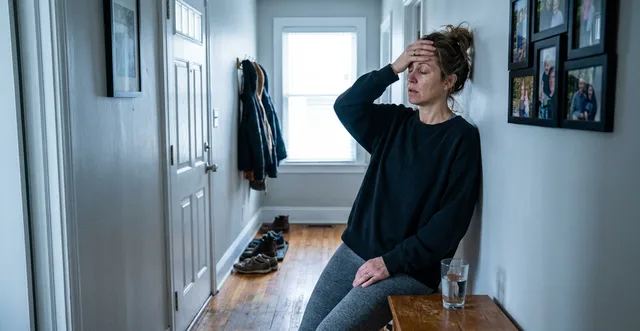
You're sitting in a meeting, focused on the presentation, when it hits. A wave of heat starts at your chest, rises up your neck, and spreads across your face. You can feel the flush creeping upward. Your heart begins to race. A bead of sweat forms at your hairline. You pull at your neckline, hoping no one notices. You glance around the table, and everyone else looks perfectly cool, perfectly composed. For the next two to five minutes, you are hyperaware of your own body while trying to act like nothing is happening.
This is what a hot flash feels like at work. And you're not alone. Research shows that roughly 6 in 10 women say their menopausal symptoms have a negative impact on their work performance. One study analyzing Reddit discussions found that 41% of women experiencing menopause reported hot flashes, and those hot flashes correlated with significant increases in mood changes, cognitive difficulties, and sleep problems.
The good news: there are proven strategies to manage hot flashes discreetly at work, accommodations you may be entitled to request, and medical treatments that can help. This guide walks you through all three.
What Exactly Is a Hot Flash?
A hot flash is a sudden, intense sensation of heat in your upper body, typically starting in your chest and rising to your neck and face. Most hot flashes last between one and five minutes, though the discomfort can linger longer. They're often accompanied by visible flushing, sweating, heart palpitations, and chills when the hot flash subsides.
Hot flashes are a hallmark symptom of menopause and perimenopause, the years leading up to menopause. They happen because of fluctuating estrogen levels, which affect your hypothalamus, the part of your brain that regulates body temperature. When estrogen drops, your body's temperature thermostat becomes more sensitive, triggering sudden heating episodes.
Why Work Makes It Harder
In a workplace, hot flashes feel different than at home. You can't simply change into lighter clothes, turn off the office heating, or step away from your desk without explanation. You're managing your own physiology while maintaining professional composure. You may also worry about how colleagues perceive you, whether you look "capable," or if symptoms will affect your credibility or career progression.
Research has documented this burden. Some women reduce their work hours. Others decline promotions. Still others leave their jobs entirely because managing hot flashes alongside work demands becomes unsustainable.
But none of this has to be inevitable.
Practical Strategies for Managing Hot Flashes at Work
These strategies don't require announcing your menopause to your entire office. Many are subtle, and most can be implemented immediately.
1. Dress in Layers You Can Control
The single most effective strategy is dressing in layers that you can remove and add throughout the day.
Choose:
- A breathable undershirt or tank (cotton or moisture-wicking fabrics)
- A cardigan, blazer, or light jacket you can easily remove
- Pants or a skirt in natural fabrics
Avoid:
- Turtlenecks or high necklines that trap heat
- Wool, silk, or synthetic fabrics that don't breathe
- Heavy blazers or sweaters you can't easily shed
The logic is simple: when a hot flash strikes, you shed layers. When the chills follow, you put them back on. You're regulating your own microclimate without drawing attention.
Choose fabrics that wick moisture and heat away from your skin. Some clothing brands now specifically market products for people experiencing hot flashes and night sweats, with moisture-wicking technology built in.
2. Keep Hydration and Temperature Control Tools at Your Desk
Carry a reusable water bottle and refill it throughout the day. Staying hydrated helps your body regulate temperature more effectively, and holding a cold water bottle or pressing it against your neck can help cool you down during a flash.
Consider also:
- A small desk fan (quiet, discreet, widely available)
- A clip-on fan that attaches to your desk or monitor
- A portable hand fan you can keep in a desk drawer
- A damp cloth you can keep in a small cooler under your desk
None of these require explanation. Plenty of people use fans for air circulation.
3. Manage Your Diet and Caffeine Intake
Certain foods and beverages are known hot flash triggers:
Hot triggers:
- Hot beverages (coffee, tea, hot chocolate)
- Spicy foods
- Alcohol
- Large meals
Better choices:
- Herbal iced tea or cold water with lemon
- Room-temperature or cool foods
- Smaller, more frequent meals
- Naturally cool snacks (yogurt, fruit, cucumber)
If you typically drink afternoon coffee, consider switching to herbal iced tea. You'll still have a ritual and a beverage at your desk, but without the caffeine and heat that can trigger a hot flash.
You don't have to eliminate these foods entirely. Rather, reduce them during work hours, time them strategically (avoid them before important meetings), or test which ones most reliably trigger your flashes.
4. Create Time Buffers in Your Schedule
Rushing raises body temperature and increases stress, both of which can trigger hot flashes. If you're sprinting to a meeting, your heart is already elevated when you sit down.
Instead:
- Leave home earlier so you arrive without being overheated
- Build in a few minutes between back-to-back meetings
- Use travel time to slow down, breathe, and cool off
- Walk slowly between locations rather than rushing
This also reduces the stress-induced component of hot flashes. Anxiety and stress amplify hot flash frequency and severity.
5. Manage Your Stress and Take Movement Breaks
Stress and rushed adrenaline are documented hot flash triggers. Taking short breaks to calm your nervous system can prevent flashes from happening in the first place.
Try:
- A short walk around the office or outside
- Two minutes of deep breathing at your desk
- A few minutes away from your screen before a high-stakes meeting
- A brief meditation or grounding exercise
Moving your body also improves sleep quality at night, which is essential because sleep disruption from night sweats is one of the most common complaints among people experiencing menopause.
6. Optimize Your Physical Workspace
Talk to facilities or your manager about:
- Sitting near a window or in a cooler part of the office
- Adjusting the temperature near your desk
- Positioning your desk away from direct sunlight or heat sources
- Having a space where you can briefly step away if you need to cool down
You don't need to disclose why. "I work better in a cooler spot" is explanation enough.
Your Rights to Workplace Accommodations
In many cases, you have more legal protection than you might think, and this landscape is changing rapidly.
The Current Legal Picture
Historically, menopause was not recognized as a protected condition under US law, even though its symptoms often are. That is shifting.
As of 2025, Rhode Island became the first state to explicitly require employers to provide reasonable accommodations for menopause-related symptoms. Effective June 24, 2025, Rhode Island employers must engage in a "timely, good-faith, and interactive process" to identify reasonable accommodations for individuals whose menopause symptoms impact their ability to perform their jobs.
California, New York, and other states have introduced or are considering similar legislation.
Existing Federal Protections
Even without state-specific menopause laws, you may have protections under existing law:
Title VII of the Civil Rights Act of 1964: This federal law prohibits discrimination based on sex, which can encompass discrimination arising from menopause or perimenopause symptoms.
The Americans with Disabilities Act (ADA): Menopause itself is not automatically covered, but significant menopause-related conditions (like insomnia, depression, or anxiety that substantially limits your major life activities) may qualify as disabilities requiring accommodation.
Medical Leave Laws: Depending on your state and employer, you may qualify for paid or unpaid leave under state family and medical leave laws if menopause-related symptoms prevent you from working.
Your State's Laws: Some states have broader age discrimination laws or sex discrimination protections that may apply.
What "Reasonable Accommodations" Might Include
Accommodations that employers should consider include:
- Dress code flexibility: The ability to layer clothing, remove cardigans or jackets, or dress in moisture-wicking fabrics without violating workplace norms.
- Temperature control: Adjustments to office temperature, workspace location, or access to fans.
- Schedule flexibility: Flexible start times to avoid morning rushes, compressed workweeks, part-time hours, or the option to work from home.
- Break access: Permission to take short breaks as needed to cool down or manage symptoms.
- Facility access: Access to a private space (even a quiet corner or an unused office) where you can step away for a few minutes if needed.
What to Do If You Want to Request Accommodations
Step 1: Document your symptoms and their impact on your work. Write down when hot flashes occur, how long they last, and how they affect your ability to concentrate, attend meetings, or perform specific job functions.
Step 2: Talk to your healthcare provider. Get their written assessment of your symptoms and recommendations for accommodations. This is your medical documentation.
Step 3: Request a meeting with your manager or HR department. Frame it as a request for accommodations related to a medical condition. You don't need to share all details, but being clear and direct is important. For example: "I'm managing a medical condition that causes symptoms affecting my ability to concentrate during certain times of the day. I'd like to discuss reasonable accommodations that would help me stay at my best."
Step 4: Propose specific accommodations. Don't leave it open-ended. Say what you need: "I'm asking for the ability to adjust my dress code, access to a nearby fan, and permission to take a brief break if symptoms become severe."
Step 5: Be prepared for pushback, but know your rights. If your employer refuses reasonable accommodations without legitimate business reason, you may have legal grounds to pursue a complaint through your state labor board or the EEOC (Equal Employment Opportunity Commission).
Understanding Your Triggers
Hot flashes aren't random. They're triggered by specific stressors, foods, and situations. Identifying your personal triggers is the foundation of managing hot flashes effectively.
Common Triggers
- Caffeine: Raises body temperature and increases heart rate.
- Spicy foods: Directly elevate core body temperature.
- Alcohol: Causes vasodilation, which increases blood flow and heat sensation.
- Hot beverages: Directly heat your core.
- Stress and rushing: Trigger adrenaline release and increase heart rate.
- Warm environments: Conference rooms with poor ventilation, crowded spaces, or direct sunlight.
- Lack of sleep: Sleep deprivation amplifies hot flash frequency and intensity.
- Intense exercise: Particularly in warm environments or right before work.
- Certain medications: Some antidepressants and other drugs can trigger or worsen flashes.
- Tight clothing: Restricts air circulation and heat dissipation.
Track Your Own Pattern
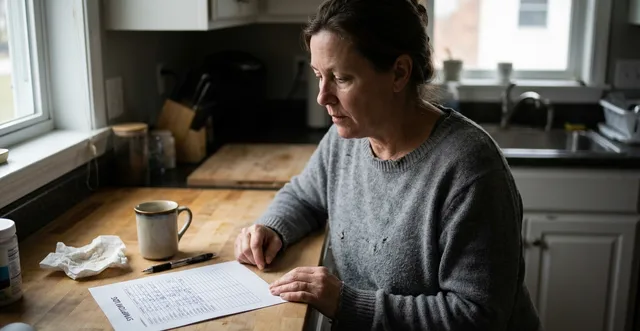
Keep a simple log for one to two weeks. Note:
- Time of day
- What you were doing (meeting, at desk, commuting)
- What you ate or drank in the two hours before
- Stress level (low, medium, high)
- Duration and severity (1-10 scale)
After a week, patterns emerge. You'll notice that certain foods, certain times of day, or stressful meetings are almost guaranteed to trigger a flash. Once you know this, you can strategically avoid triggers before important events or meetings.
Medical Treatment Options
Practical strategies work well, but some people find they need additional help. Several medical treatments are proven effective for hot flashes.
Hormone Replacement Therapy (HRT)
Hormone replacement therapy is the most effective treatment for hot flashes. It replaces the estrogen your body no longer produces in sufficient quantities.
HRT can be:
- Systemic (pills, patches, gels, or sprays that deliver hormones throughout your body)
- Localized (vaginal creams or rings that treat local vaginal symptoms)
For moderate to severe hot flashes, systemic HRT typically provides significant relief, often within two to four weeks. The dose can be adjusted based on your response.
HRT is not right for everyone. People with a history of certain cancers, blood clots, or uncontrolled high blood pressure may not be candidates. Talk to your doctor about your personal risk factors.
Non-Hormonal Prescription Options
The FDA has approved several non-hormonal medications specifically for hot flashes:
- Fezolinetant (Veozah): A neurokinin-3 receptor antagonist that works in the part of the brain regulating body temperature. It's taken orally once daily.
- Paroxetine (Brisdelle): A low-dose selective serotonin reuptake inhibitor (SSRI) that reduces hot flash frequency and severity.
- Elinzanetant: Another neurokinin-3 antagonist in development, showing promise in clinical trials.
These medications work differently from HRT and may be preferable if hormones aren't an option for you.
Lifestyle and Supplement Approaches
Evidence for supplements is mixed, but some people report benefit from:
- Black cohosh: Some clinical trials show modest benefit, though results are inconsistent.
- Sage leaf extract: A small study showed reduction in hot flash frequency.
- Regular exercise: Particularly aerobic exercise and strength training, which improve overall fatigue and sleep disruption.
- Cognitive behavioral therapy (CBT): Research shows CBT can reduce the distress associated with hot flashes, even if it doesn't reduce frequency.
When to Talk to Your Doctor
You should schedule an appointment with your healthcare provider if:
- Hot flashes are interfering with your work, sleep, or daily life.
- Hot flashes started suddenly and are severe.
- You have other symptoms like mood changes, significant sleep loss, or brain fog that concern you.
- You're interested in HRT or other treatment options.
- You need documentation for workplace accommodations.
- Your hot flashes persist beyond a year or are getting worse over time.
- You have a history of cancer, blood clots, or cardiovascular disease and want to discuss whether HRT is safe for you.
Your doctor can help you understand whether your symptoms are related to menopause or perimenopause, rule out other causes (like thyroid problems or anxiety disorders), and discuss treatment options tailored to your health history and preferences.
How Menoa Can Help
Managing menopause at work is about more than quick fixes. It's about understanding what's happening in your body, knowing your rights, and having a plan that works for your life.
Menoa's comprehensive articles and resources guide you through every aspect of menopause, from understanding vasomotor symptoms to navigating workplace conversations and treatment decisions. Our glossary explains every term and concept in plain language, so you can speak confidently with your healthcare provider and your employer.
You're not managing this alone. Millions of women are working through menopause. Many have found that the right combination of practical strategies, medical support, and workplace understanding makes a profound difference.
Frequently Asked Questions
Q: Will hot flashes at work affect how my colleagues see me? A: Worry about this is understandable, but most of the time, people around you are far less aware of your hot flash than you are. Your face may flush, but unless you point it out, most colleagues won't notice or won't interpret it as anything unusual. If you do feel self-conscious, layering and strategic positioning (sitting near a cool spot) make flashes nearly invisible. And remember, you have no obligation to disclose your menopause to anyone at work.
Q: Can I request accommodations without telling my boss I'm going through menopause? A: Yes. You can request accommodations without disclosing the specific reason. For example, you might say you have a medical condition that requires temperature control or flexible scheduling. However, if you do choose to disclose menopause, many managers are becoming more informed and supportive. Ultimately, it's your choice how much to share.
Q: How long do hot flashes last? A: Most individual hot flashes last between one and five minutes, but they can feel longer. The perimenopause phase (when hot flashes first appear) typically lasts four to ten years, though some women experience hot flashes beyond menopause. Hot flashes vary widely from person to person.
Q: Are there quick ways to stop a hot flash once it starts? A: Once a hot flash has started, you can't stop it, but you can cool down faster. Drinking cold water, removing layers, standing near a fan, or stepping outside into cooler air all help. Deep breathing also helps calm the associated anxiety and heart racing.
Q: Can I use HRT while working full-time? A: Yes, absolutely. HRT doesn't affect your ability to work. In fact, for many women, HRT improves work performance by reducing hot flashes and improving sleep quality.
Q: What if my workplace refuses to make accommodations? A: Document everything in writing. Keep records of your requests and their responses. Contact your state labor board or file a complaint with the EEOC (Equal Employment Opportunity Commission). In some states, you may also consult an employment attorney. Your rights exist to protect you.
Q: Is it normal to have anxiety during hot flashes? A: Yes, very common. The sudden surge of heat, rapid heart rate, and visible flushing can trigger anxiety or feel like a panic attack. This is part of vasomotor symptoms. Managing hot flashes often improves anxiety, but if anxiety is severe, talk to your doctor about additional support.
Sources
- National Institute on Aging. "Hot Flashes: What Can I Do?" https://www.nia.nih.gov/health/menopause/hot-flashes-what-can-i-do
- Healthline. "Tips for Managing Hot Flashes at Work." https://www.healthline.com/health/menopause/hot-flashes-at-work
- Mayo Clinic. "Hot Flashes: Diagnosis & Treatment." https://www.mayoclinic.org/diseases-conditions/hot-flashes/diagnosis-treatment/drc-20352795
- Yale Medicine. "Hot Flashes: How to Get Relief Before, During, and After Menopause." https://www.yalemedicine.org/news/hot-flashes
- The North American Menopause Society (NAMS). "Menopause and the Workplace: Consensus Recommendations." https://menopause.org/wp-content/uploads/workplace/2024-Menopause-and-the-Workplace-Consensus-Recommendations.pdf
- U.S. Department of Labor. "Menstruation and Menopause at Work." https://www.dol.gov/sites/dolgov/files/OPA/MenstruationAndMenopauseAtWork.pdf
- NHS England. "Supporting Our NHS People Through Menopause: Guidance for Line Managers and Colleagues." https://www.england.nhs.uk/long-read/supporting-our-nhs-people-through-menopause-guidance-for-line-managers-and-colleagues/
- Cleveland Clinic. "Hot Flashes: Triggers, How Long They Last & Treatments." https://my.clevelandclinic.org/health/symptoms/15223-hot-flashes
Terms in this article
Sudden, intense waves of heat that spread through the upper body, often with flushing, sweating, and a racing heart. Hot flashes affect around 80% of women during menopause and can last anywhere from a few months to over a decade.
The point when you have gone 12 consecutive months without a period, marking the end of your reproductive years. It happens at 51 on average, usually between 45 and 55.
The transitional period leading up to menopause, typically lasting 4 to 8 years, when your ovaries gradually produce less estrogen and progesterone, causing irregular periods and a range of symptoms. Perimenopause ends when you've gone 12 consecutive months without a period.
A hormone produced primarily by your ovaries that regulates your menstrual cycle, supports bone and heart health, and affects mood, skin, and vaginal tissue. Estrogen levels decline sharply during menopause, causing many symptoms.
Persistent worry or fear that arises or worsens during menopause due to fluctuating hormone levels affecting mood-regulating neurotransmitters. Can range from generalized nervousness to panic attacks.
Persistent difficulty falling asleep, staying asleep, or achieving restorative sleep during menopause, driven by hormonal fluctuations and vasomotor symptoms like night sweats and hot flashes.
Intense episodes of excessive sweating during sleep, often soaking through clothes and bedding, caused by hormonal fluctuations during perimenopause and menopause.
Hormone replacement therapy: estrogen, usually with progesterone, taken to replace the hormones your body stops making. It is the most effective treatment for moderate to severe menopause symptoms.
More articles
 Symptoms & Management
Menopause and Dizziness: Causes, When to Worry, and Relief Strategies
About 36% of women experience dizziness at least once a week during perimenopause and menopause. Learn what causes menopause-related dizziness, when to worry, and evidence-based relief strategies.
 Healthcare & Support
Preparing for Your Menopause Appointment: Tracking, Documentation, and Questions
A practical guide to preparing for menopause-related doctor visits. Learn how to track symptoms, organize your health history, and ask the right questions.