Heavy Periods Before Menopause: What's Normal and When to Seek Help
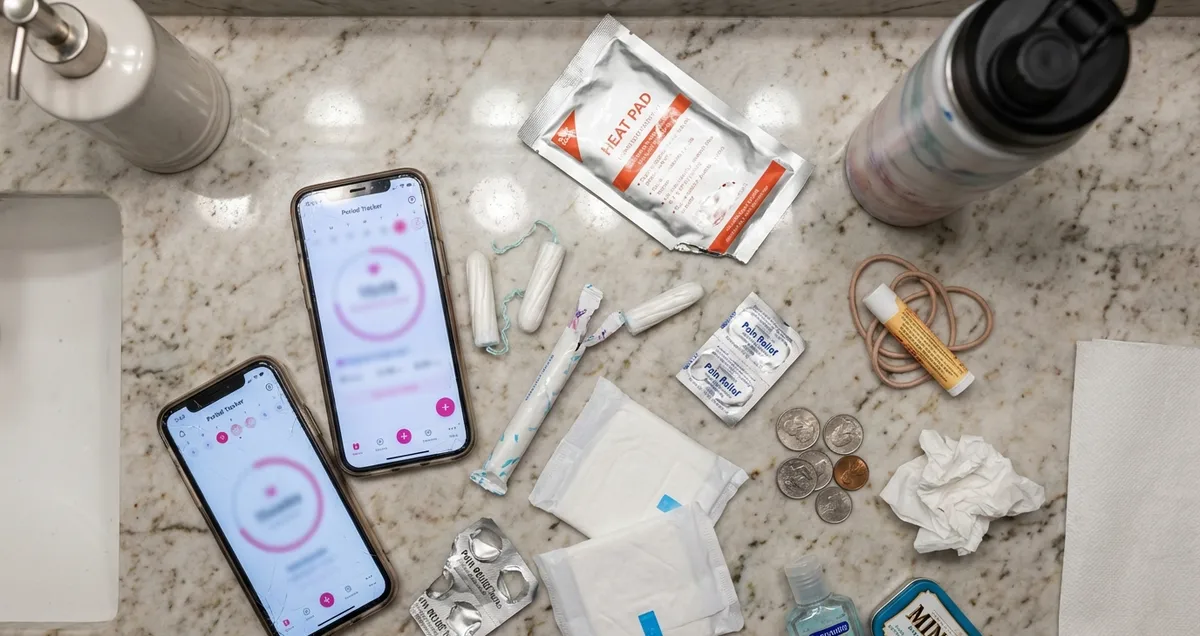
Perimenopause often brings heavier, longer periods. Learn when heavy bleeding is normal versus when it signals a problem, and explore evidence-based treatments that reduce bleeding and restore quality of life.
Key Takeaways
- Heavy periods affect up to one-third of women in their lifetime, with abnormal bleeding accounting for more than 70% of gynecologic visits during perimenopause
- "Heavy" bleeding is clinically defined as losing more than 80 mL per cycle or bleeding lasting more than 7 days; a PBAC score of 100 or higher suggests menorrhagia
- Red flags requiring urgent evaluation include blood clots larger than a quarter, flooding that soaks pads within an hour, bleeding between periods, and any bleeding after 12+ months without a period
- Treatment ranges from medications (tranexamic acid reduces bleeding by 26-60%, NSAIDs, hormonal IUDs reduce blood loss by 80-95%) to procedures like endometrial ablation or hysterectomy
- Iron deficiency anemia is a serious consequence of prolonged heavy bleeding and requires both treating the bleeding source and replenishing iron stores over months
Understanding Heavy Periods in Perimenopause
If you are in your 40s or 50s and your periods suddenly feel like they have changed, you are not imagining it. Heavy, prolonged, or erratic bleeding is one of the most common reasons women seek gynecologic care during perimenopause, the transition phase lasting 4 to 10 years before menopause officially arrives. This is not a trivial symptom. Heavy menstrual bleeding affects your quality of life, can lead to dangerous iron deficiency anemia, and sometimes signals an underlying condition that needs prompt treatment.
The challenge is knowing what is normal for perimenopause and what demands medical attention. Your periods can legitimately become heavier during this phase, but that does not mean you should live with bleeding so heavy that you cannot leave home, change your clothes in the middle of the night, or feel constantly exhausted. This guide explains the physiology behind perimenopause bleeding, when to seek help, and what your treatment options actually are.
Why Bleeding Changes During Perimenopause
During your reproductive years, hormones follow a predictable rhythm. Estrogen rises early in your cycle, triggering ovulation, then progesterone rises to stabilize the uterine lining in preparation for pregnancy. This monthly dance happens reliably for decades.
Perimenopause disrupts this rhythm. Your ovaries become erratic, sometimes releasing an egg and sometimes not. When ovulation fails, the entire hormone pattern breaks down. This is called an anovulatory cycle. Without ovulation, progesterone never rises. Without adequate progesterone, the uterine lining (endometrium) is exposed to unopposed estrogen, meaning estrogen stimulates the endometrium to grow without progesterone's limiting effect.
The endometrium thickens abnormally, and when it finally sheds, the bleeding is heavier and lasts longer than normal. This happens repeatedly during perimenopause because anovulatory cycles cluster during this transition phase.
Additionally, changes in blood vessel formation within a thickened endometrium increase bleeding. The body's own antifibrinolytic systems, which normally help blood clot and stop bleeding, may function less efficiently. The result is heavy, often prolonged bleeding that can seem unpredictable.
This hormonal mechanism explains why so many women experience heavy bleeding in their 40s, even without any structural problem like fibroids or polyps. The endocrine system itself is in flux.
Defining "Heavy": Clinical Criteria and What to Measure
The problem many women face is that "heavy" is subjective. Your heavy period might be someone else's normal. Medical professionals use objective criteria to define abnormal bleeding and guide treatment.
Heavy menstrual bleeding (also called menorrhagia) is clinically defined as menstrual blood loss exceeding 80 milliliters per cycle or bleeding lasting longer than 7 days. For most women, this translates to practical signs: needing to change a pad or tampon every hour, passing blood clots larger than a quarter, soaking through one or more pads or tampons overnight, or bleeding lasting 8 or more days.
To standardize measurement in clinical settings, doctors use the Pictorial Blood Loss Assessment Chart (PBAC). With this tool, a woman records each sanitary product used, noting whether it is lightly, moderately, or heavily soaked. Clots and episodes of flooding are also recorded and assigned point values. A PBAC score of 100 or higher correlates with menorrhagia and blood loss exceeding 80 mL per cycle. The PBAC score has a sensitivity of 90% and specificity of 100% for identifying true menorrhagia.
You do not need to score your own PBAC at home, but understanding this framework helps explain why your doctor may ask detailed questions about your menstrual flow. The goal is not to shame you for heavy bleeding but to quantify whether your symptoms match the clinical definition of menorrhagia, which determines whether treatment is medically indicated versus optional.
Red Flags: When You Must See a Doctor
Not all heavy bleeding is created equal. Some patterns suggest urgent conditions that need immediate evaluation.
Seek urgent care (within days, not weeks) if you experience any of the following:
- Blood clots larger than the size of a quarter
- Flooding or soaking through one or more pads every hour
- Bleeding between periods, especially if spotting occurs on most days
- Heavy bleeding that is new for you, representing a sudden change from your prior pattern
- Significant dizziness, shortness of breath, chest pain, or severe fatigue (signs of acute anemia)
- Fever alongside heavy bleeding
Post-menopausal bleeding, defined as any vaginal bleeding 12 or more months after your last period, requires prompt evaluation even if bleeding is light. This is not part of normal perimenopause and may signal endometrial hyperplasia, polyps, or rarely, endometrial cancer.
Some bleeding patterns warrant routine evaluation but are less urgent. These include:
- Moderately heavy periods that have become heavier over months
- Periods lasting 7 to 8 days consistently
- Menstrual bleeding that limits your activities (missing work, avoiding social events, inability to exercise)
- Suspected anemia (fatigue, pale appearance, difficulty concentrating)
The threshold for "seeking routine care" is partly clinical and partly personal. If heavy bleeding affects your quality of life, you deserve evaluation and treatment options, regardless of whether your symptoms meet the strict definition of menorrhagia.
Medical Workup: What to Expect
When you see your doctor about heavy bleeding, expect a thorough evaluation. The process typically includes:
History and Symptom Assessment
Your doctor will ask when your bleeding became heavy, whether it represents a change from prior cycles, how long periods last, whether you pass clots, and whether you experience flooding. They will ask about other symptoms like hot flashes, night sweats, mood changes, and sexual symptoms. Provide context about your cycle patterns over the past 6 to 12 months if possible.
Pelvic Examination
A physical exam allows your doctor to assess your uterus for size and abnormalities and to rule out cervical polyps or other visible causes of bleeding.
Blood Tests
A complete blood count (CBC) measures hemoglobin and hematocrit, revealing whether you have iron deficiency anemia. Thyroid function (TSH and free T4) should be checked because thyroid disorders can cause menstrual irregularities. If you have a family history of bleeding disorders or heavy bleeding beginning suddenly, clotting studies including PT, PTT, fibrinogen, and von Willebrand factor testing may be performed.
Pelvic Ultrasound
Transvaginal ultrasound is the first-line imaging for heavy bleeding. It has high sensitivity for detecting fibroids, polyps, adenomyosis, and other structural abnormalities. This is often done during the office visit and takes 15 to 20 minutes.
Endometrial Biopsy
If you are over 45 with abnormal bleeding, or if you have persistent bleeding despite treatment, your doctor may recommend endometrial biopsy to rule out hyperplasia and malignancy. This brief office procedure involves sampling the uterine lining using a thin catheter. It can be performed during a routine office visit and helps identify precancerous changes or cancer. Contrary to older guidance, routine endometrial biopsy is not necessary for all perimenopausal women with heavy bleeding (cancer risk is only 0.11%), but it is reasonable if risk factors like obesity, PCOS, or persistent bleeding are present.
Hysteroscopy
If ultrasound suggests a fibroid, polyp, or other structural lesion, or if abnormal bleeding persists despite medical therapy, your doctor may recommend hysteroscopy. This procedure allows direct visualization of the inside of the uterus with a thin camera and can be used to remove polyps, treat fibroids, or obtain tissue samples.
Causes Beyond Hormones: Structural and Other Pathology
While anovulatory cycles and unopposed estrogen explain much heavy bleeding in perimenopause, structural and systemic causes must be ruled out.
Uterine Fibroids
Fibroids are benign smooth muscle tumors that arise in the uterine wall. They are extremely common, affecting up to 70% of women by age 50. Fibroids can cause heavy, prolonged bleeding, painful periods, and pelvic pressure if they distort the uterine cavity. Submucosal fibroids, those that protrude into the uterine cavity, have the highest bleeding risk. Ultrasound readily detects fibroids; treatment depends on symptoms and desire for future pregnancy.
Endometrial Polyps
Polyps are benign overgrowths of endometrial tissue. They cause abnormal bleeding, often prolonged or intermenstrual spotting. Polyps are detected by ultrasound but may be missed by ultrasound alone; hysteroscopy confirms diagnosis and allows removal. Polyp removal often resolves bleeding.
Adenomyosis
Adenomyosis is a condition where endometrial tissue invades the myometrium (the muscle layer of the uterus). It causes dysmenorrhea (painful periods), heavy menstrual bleeding, and a diffusely enlarged, sometimes globular uterus. It is more common in women over 40 and is increasingly common as perimenopause progresses. Diagnosis is suspected clinically and can be confirmed by MRI. Adenomyosis is challenging to treat; management includes NSAIDs, hormonal IUDs, or hysterectomy in severe cases.
Endometrial Hyperplasia
Unopposed estrogen not only causes heavy bleeding but can lead to endometrial hyperplasia (abnormal thickening and overgrowth of endometrial cells). There are two types: hyperplasia without atypia and atypical hyperplasia. Atypical hyperplasia is a precancerous condition with 23-43% risk of progression to endometrial cancer if untreated. Diagnosis requires endometrial biopsy. Treatment with progestin-containing devices (Mirena IUD) or high-dose progestin therapy can reverse hyperplasia. Women with atypia typically require more aggressive treatment and close follow-up.
Coagulation Disorders
While less common as a cause of heavy bleeding in perimenopause than structural causes, bleeding disorders including von Willebrand disease, factor deficiencies, and platelet disorders do occur. They may present or worsen during menstruation due to increased blood loss demands. Screening is particularly important if heavy bleeding began suddenly, if you have a family history of bleeding problems, or if you have excessive bleeding elsewhere (nosebleeds, easy bruising, bleeding from small cuts that is hard to stop). Clotting factor studies and von Willebrand factor antigen and activity should be measured if coagulopathy is suspected.
Endometrial Cancer
Endometrial cancer is rare in perimenopausal women with heavy menstrual bleeding (risk is only 0.11% for women with heavy bleeding), and cancer risk remains low as long as bleeding is regular, even if heavy. However, risk increases with age, obesity, tamoxifen use, diabetes, and atypical hyperplasia. Post-menopausal bleeding carries higher cancer risk. Any woman over 45 with persistent or progressive abnormal bleeding should be evaluated with at least pelvic ultrasound and consideration of endometrial biopsy.
Treatment Options: Medical Therapies
Treatment for heavy menstrual bleeding is tailored to the underlying cause, your symptoms, your desire for future pregnancy, and your preferences.
Tranexamic Acid
Tranexamic acid (Lysteda, Cyklokapron) is an antifibrinolytic medication that prevents the breakdown of blood clots and reduces menstrual bleeding by 26-60%, with an average reduction of 40%. It is taken orally, typically at a dose of 3.9 to 4 grams per day for 4 to 5 days, starting with the first day of menstruation. Tranexamic acid is significantly more effective than NSAIDs, placebo, and other antifibrinolytic agents. Side effects are mild and include nausea and diarrhea. Tranexamic acid does not increase blood clot risk and is safe for long-term use.
Nonsteroidal Anti-Inflammatory Drugs (NSAIDs)
NSAIDs including ibuprofen, naproxen, and mefenamic acid reduce menstrual bleeding by inhibiting prostaglandin synthesis. Menstrual bleeding is mediated partly by prostaglandins, which promote uterine contractions and blood vessel dilation. By reducing prostaglandins, NSAIDs decrease bleeding by 20-30% on average. They are most effective when started before or at the onset of menstruation and taken throughout the period. NSAIDs also reduce dysmenorrhea (painful periods). Typical dosing is ibuprofen 600 to 800 mg three times daily or naproxen 250 to 500 mg twice daily. Take NSAIDs with food to prevent gastrointestinal upset. NSAIDs are less effective than tranexamic acid for severe bleeding.
Hormonal IUDs: Mirena and Liletta
The levonorgestrel-releasing IUD (Mirena 52 mg or Liletta 52 mg) is highly effective for heavy menstrual bleeding. It releases a small amount of the progestin levonorgestrel directly into the uterine cavity, where it inhibits estrogen receptors and prevents endometrial proliferation. Mirena reduces menstrual bleeding by 80% at 4 months, 95% at 1 year, and 100% (amenorrhea) by 2 years in many women. It works effectively for treating endometrial hyperplasia, reverses atypical hyperplasia, and provides contraception. Side effects may include spotting or bleeding irregularity in the first 3 to 6 months, then amenorrhea or very light bleeding. Some women experience breast tenderness, mood changes, or acne. Mirena is inserted as an outpatient office procedure, requires local anesthesia or no anesthesia, and provides protection for 7 years (Mirena) or 6 years (Liletta). It is an excellent option for perimenopausal women who want contraception and symptom relief without systemic hormone therapy.
Combined Oral Contraceptive Pills
Combined oral contraceptives (containing both estrogen and progestin) regulate ovulation, thin the endometrium, and reduce menstrual bleeding by 20-50%. They also reduce dysmenorrhea and migraines. Combined pills can be taken cyclically (21 days on, 7 days off) or continuously (no hormone-free interval), which reduces total monthly bleeding further. Continuous dosing can suppress periods entirely. Combined pills are an excellent option for perimenopausal women who also want contraception and relief of hot flashes (some formulations). However, combined pills carry a small increased risk of blood clots and stroke, particularly in women over 35 who smoke, so they are not appropriate for all women. Your doctor will assess cardiovascular risk before prescribing.
Progestin-Only Therapy
Cyclic progestin therapy (medroxyprogesterone 5-10 mg daily for 12 to 14 days per cycle, or micronized progesterone 200-400 mg daily) can reduce heavy bleeding and prevent endometrial hyperplasia by providing the progesterone that anovulatory cycles lack. Progestin must be given for at least 10-12 days per cycle to protect the endometrium. Continuous progestin therapy (progestin daily without a break) is more effective at reducing bleeding than cyclic therapy. A newer option is the progestin-only pill (minipill) taken daily, though efficacy for heavy bleeding is less well-established than other methods.
Systemic Hormone Therapy
For women with heavy menstrual bleeding occurring alongside other perimenopausal symptoms like hot flashes and night sweats, systemic hormone therapy can be an elegant solution. Hormone therapy regulates ovulation in early perimenopause and thins the endometrium, reducing bleeding while treating vasomotor symptoms. Hormone therapy can be given as transdermal patches, gels, sprays, or pills. It is most effective given cyclically (for instance, estrogen every day plus progestin for 10-14 days per month, or continuous estrogen with cyclic progestin) rather than continuously in perimenopausal women, to allow for periodic withdrawal bleeding and prevent endometrial proliferation. Hormone therapy carries risks including slightly increased breast cancer, blood clots, and stroke, particularly in women over 60, so it is not appropriate for everyone. NAMS (North American Menopause Society) recommends that perimenopausal women at low risk consider hormone therapy for short-term symptom management if other conditions are ruled out.
Treatment Options: Procedural Therapies
When medical therapy does not adequately control heavy bleeding, or when a woman strongly prefers not to take medications, procedural options exist.
Endometrial Ablation
Endometrial ablation is a minimally invasive procedure in which the uterine lining is intentionally destroyed, either by radiofrequency energy, hydrothermal ablation, microwave, freezing, or mechanical abrasion. The goal is to eliminate or significantly reduce menstrual bleeding. Success is high: 80-90% of women report significantly lighter bleeding or amenorrhea after ablation. Endometrial ablation is performed as an outpatient procedure under general or local anesthesia. Recovery is typically quick, with return to normal activity within a few days. Complications are rare but can include uterine perforation and infection. A major limitation of endometrial ablation is that pregnancy becomes unlikely after the procedure, so it is only suitable for women who have completed childbearing. Additionally, some women develop post-ablation syndrome (cyclic pelvic pain without visible bleeding) years after the procedure if ovarian function persists and causes endometrial regrowth in closed pockets.
Hysterectomy
Total abdominal hysterectomy is the definitive cure for heavy menstrual bleeding, eliminating all menstrual bleeding permanently. It is also the only treatment that completely eliminates the risk of endometrial cancer and hyperplasia. However, hysterectomy is major surgery with inherent risks including infection, bleeding, injury to organs, and anesthesia complications. Recovery takes 4 to 6 weeks for abdominal hysterectomy and 1 to 3 weeks for minimally invasive (laparoscopic or robotic) hysterectomy. Hysterectomy should be considered only when other treatments have failed, are not tolerated, or when additional pelvic pathology (like fibroids or adenomyosis) warrants surgery. For women undergoing hysterectomy for benign bleeding, ovarian conservation is typically recommended to avoid surgical menopause and its associated symptoms.
Iron Deficiency and Anemia: A Serious Consequence
Heavy menstrual bleeding causes iron loss, and chronic blood loss leads to iron deficiency anemia in up to 30-40% of women with menorrhagia. Anemia develops gradually as iron stores become depleted, then hemoglobin drops.
Symptoms of iron deficiency anemia include persistent fatigue, weakness, difficulty concentrating, shortness of breath with exertion, pale skin and pale mucous membranes inside the eyelids and mouth, dizziness, cold hands and feet, headaches, and rapid heartbeat. Some women report unusual cravings for non-food items (pica), such as ice, dirt, or starch.
A CBC blood test measures hemoglobin and hematocrit to diagnose anemia. Hemoglobin below 12 g/dL (or hematocrit below 36%) in women indicates anemia. A serum iron panel including serum iron, total iron-binding capacity (TIBC), transferrin saturation, and ferritin can confirm iron deficiency.
Treatment requires addressing both the underlying heavy bleeding and replenishing iron stores. Iron supplementation alone, without treating heavy bleeding, will not solve the problem because bleeding will continue to deplete iron faster than supplementation can replace it.
Iron replacement is typically started with ferrous sulfate 325 mg (containing 65 mg of elemental iron) taken three times daily, ideally on an empty stomach for best absorption, though taking it with food can reduce gastrointestinal side effects. Ferrous gluconate and ferrous fumarate are alternatives. Iron supplementation causes side effects in about 10-15% of women, including nausea, constipation, abdominal discomfort, and dark stool (normal and not a sign of bleeding). If ferrous sulfate is not tolerated, slower-release formulations or alternative iron salts can be tried. Vitamin C (ascorbic acid) enhances iron absorption, so taking iron with orange juice or a vitamin C supplement is beneficial.
Iron replacement must continue for a minimum of 3 months after hemoglobin normalizes, to fully replenish iron stores (which are much larger than the amount needed for daily hemoglobin production). If oral iron is not tolerated or fails to raise hemoglobin after 3 months of therapy, intravenous (IV) iron may be given. IV iron is also used in cases of severe anemia requiring rapid correction, or in women with high ongoing blood loss that cannot be controlled.
Do not stop iron supplementation prematurely. Many women feel better once hemoglobin rises slightly and stop taking iron, but iron stores remain depleted. Inadequate iron replacement leads to recurrent anemia.
Lifestyle and Supportive Measures
While medical treatments are essential for heavy bleeding, some lifestyle measures can support recovery and symptom management.
Dietary Iron
Eating iron-rich foods supports iron supplementation but cannot replace it. Red meat, poultry, fish, legumes, dark leafy greens (spinach, kale), fortified cereals, and nuts are good sources. Heme iron from animal products is better absorbed than non-heme iron from plants. Pairing plant-based iron sources with vitamin C (orange juice, tomatoes, peppers) enhances absorption.
Hydration
Heavy menstrual bleeding increases fluid loss. Drink extra water, herbal teas, and clear broths during your period to maintain hydration and support blood volume.
Activity and Rest
During heavy bleeding days, balance activity with rest. Avoid strenuous exercise on the heaviest days but resume activity as you feel able. Continued gentle movement supports circulation and mood. Many women find that they need more sleep during perimenopause; honor that need.
Tracking
Use a period tracker or calendar to record menstrual cycle length, number of days bleeding, heaviness, presence of clots, and how menstrual symptoms affect your life. This record helps you and your doctor identify patterns, assess response to treatment, and determine when intervention is needed. Tracking also helps you notice changes early.
Emotional and Stress Support
Perimenopause brings physical and emotional transitions. Unpredictable heavy bleeding creates practical stress, worry about managing at work or in social settings, and sometimes social isolation. Consider talking with a therapist, joining a support group, or confiding in trusted friends. Stress does not cause heavy bleeding, but stress management supports overall well-being during a challenging transition.
What the Research Says
The medical understanding of perimenopause and heavy bleeding has evolved significantly. Here are key findings:
ACOG and NAMS Guidelines (2022-2024): The American College of Obstetricians and Gynecologists and the North American Menopause Society recommend that abnormal uterine bleeding in perimenopause be evaluated with a pelvic exam and pelvic ultrasound. Routine endometrial biopsy is not recommended for all perimenopausal women with heavy bleeding (cancer risk is low at 0.11% for heavy bleeding alone), but it is indicated in women over 45 with persistent bleeding, or in women with risk factors like obesity, diabetes, or PCOS.
Efficacy of Tranexamic Acid (Cochrane Review, 2018): A systematic review of randomized controlled trials found that tranexamic acid reduces menstrual blood loss by 26-60% compared with placebo and is significantly more effective than NSAIDs or other progestin therapies. Women receiving tranexamic acid experienced a mean reduction of 69.6 mL (40%) compared with 12.6 mL (8.2%) in those receiving placebo.
Mirena IUD Effectiveness in Perimenopause (PMC 2022): A clinical study found that the levonorgestrel IUD reduced menstrual blood loss by 80% at 4 months, 95% at 1 year, and 100% (amenorrhea) by 2 years in perimenopausal women. Hemoglobin increased by 7.8% from baseline at 4 months, indicating reversal of anemia. Endometrial thickness and menstrual volume scores were significantly lower than in control groups.
Practical Steps You Can Take This Week
You do not have to wait months to get started. Here is what you can do now:
-
Schedule an appointment. Contact your primary care doctor or gynecologist. If you have post-menopausal bleeding or red flag symptoms (flooding, large clots, dizziness), schedule an urgent visit. For routine heavy bleeding, aim for an appointment within 2 to 4 weeks.
-
Prepare your history. Write down the dates of your last three to six periods, noting when they started and ended, how heavy they were (in your own words: moderate, very heavy), whether you passed clots, and how the bleeding affected your daily life. Include any other symptoms like hot flashes or fatigue.
-
Try NSAIDs. If you have not already, take ibuprofen 600 to 800 mg three times daily starting with the first day of your next period, or naproxen 250 to 500 mg twice daily. Continue throughout menstruation. NSAIDs may reduce bleeding by 20-30% and also ease cramps. Do not take NSAIDs if you have a history of ulcers or kidney disease.
-
Begin iron supplementation if fatigued. If you experience persistent fatigue, shortness of breath with exertion, or pale appearance, start ferrous sulfate 325 mg once daily and increase to three times daily as tolerated. Do not skip the 3-month continuation phase after bleeding improves.
-
Track your cycle. Use a period app, calendar, or simple notes to record the start and end dates of each period, number of heavy flow days, and overall heaviness. This information is invaluable for your doctor and helps you track your own progress.
-
Address anemia risk now. Eat one or more iron-rich foods daily: red meat, poultry, fish, beans, spinach, or fortified cereals paired with orange juice.
-
Ask your insurance about coverage. Check whether tranexamic acid, Mirena, or other treatments you might need are covered by your plan. Address prior authorization requirements early.
When to Talk to Your Doctor
Schedule a Routine Appointment (within 4 weeks) for:
- Heavy periods that have changed from your usual pattern
- Bleeding that lasts more than 7 days
- Needing to change pads or tampons more frequently than every 2 to 3 hours
- Bleeding that interferes with work, school, exercise, or social activities
- Fatigue or symptoms of anemia
- Irregular periods with spotting between periods
- Period-related pain that limits your activities
Schedule an Urgent Appointment (within 3 to 7 days) for:
- Bleeding that soaks through one or more pads or tampons every hour for several hours
- Large blood clots, quarter-sized or larger
- Dizziness, weakness, or shortness of breath with normal activity (possible acute anemia)
- Fever with heavy bleeding
- Sudden change in bleeding pattern or intensity
- Bleeding that does not improve with NSAIDs or other home measures
Seek Emergency Care (ER or call 911) for:
- Severe dizziness, fainting, or altered consciousness
- Chest pain or severe shortness of breath (signs of severe anemia or other serious condition)
- Heavy vaginal bleeding combined with severe abdominal pain
How Menoa Can Help
Navigating perimenopause is challenging, and confusion about what is normal, when to worry, and what treatments exist makes it harder. Menoa is designed to meet you where you are.
Our menopause knowledge base explains perimenopause, heavy bleeding, and treatment options in accessible language, removing the medical jargon. You can explore our glossary to understand the hormones and conditions mentioned here. Our perimenopause guide and other articles break down the transition phase so you understand what your body is experiencing.
When you are ready to talk to a doctor, Menoa articles prepare you with informed questions to ask and knowledge about what treatment options exist. We provide information to empower your conversation with your healthcare provider, not to replace professional medical advice.
If you are trying to track your symptoms or prepare for a healthcare visit, use tools to organize your menstrual history, note your symptoms, and keep a record of what treatments have helped or what side effects you have experienced. Bring this record to your doctor.
Menoa also connects you with a community of women going through perimenopause. Knowing that heavy bleeding is a common, manageable challenge, not something you are imagining or have to accept silently, can be powerfully reassuring.
Frequently Asked Questions
Q: Is heavy bleeding in perimenopause always caused by hormones? A: No. While hormonal changes (anovulatory cycles and unopposed estrogen) account for much heavy bleeding in perimenopause, structural causes including fibroids, polyps, adenomyosis, and endometrial hyperplasia must be ruled out. Other causes include thyroid disorders and clotting disorders. A pelvic ultrasound and blood work are important to identify the underlying cause, because treatment differs depending on the cause.
Q: Can I get endometrial cancer from heavy periods in perimenopause? A: Endometrial cancer is rare in perimenopausal women with heavy menstrual bleeding. The cancer risk is only 0.11% for women with heavy bleeding alone. However, unopposed estrogen can lead to endometrial hyperplasia, a precancerous condition. This is why evaluation including ultrasound and sometimes biopsy is important. Post-menopausal bleeding (bleeding after 12+ months without a period) carries higher cancer risk and always requires evaluation.
Q: How quickly do treatments like Mirena or tranexamic acid work? A: Tranexamic acid begins working within the first month of use. NSAIDs may provide some benefit in the first cycle. The Mirena IUD begins reducing bleeding within the first month and achieves maximum effect by 1 year, with many women experiencing amenorrhea by 2 years. Oral medications like birth control pills take 2 to 3 months to show full effect. Endometrial ablation provides immediate benefit, with reduced or absent bleeding in most women after the procedure.
Q: If I have the Mirena IUD, will I have any periods? A: Most women using Mirena stop menstruating entirely (amenorrhea) within 1 to 2 years. However, some women continue to have light spotting or very light periods. Any bleeding with Mirena is usually much lighter and briefer than before insertion. Some women report unpredictable spotting for the first 3 to 6 months, which typically settles. Lack of menstruation with Mirena is safe and does not mean blood is backing up.
Q: Can heavy bleeding in perimenopause cause me to faint or have a stroke? A: Fainting or altered consciousness can occur with severe acute anemia (sudden, significant blood loss), though this is uncommon. This is a sign to seek emergency care. Chronic heavy bleeding causes iron deficiency anemia, which is serious and needs treatment but rarely causes fainting unless anemia becomes severe. Heavy bleeding does not directly cause stroke, but severe untreated anemia can stress the heart.
Q: If my doctor recommends endometrial ablation or hysterectomy, how do I know if I really need it? A: These procedures are appropriate when medical treatments have failed to adequately control bleeding, when you cannot tolerate medication side effects, or when you strongly prefer not to take medications. They are also reasonable if structural pathology like severe adenomyosis or multiple fibroids requires surgical management. Get a second opinion if you are unsure. Ask your doctor why they are recommending the procedure and whether less invasive options have been tried first.
Sources
-
American College of Obstetricians and Gynecologists. (2024). Abnormal Uterine Bleeding. Reaffirmed clinical guidance. https://www.acog.org/womens-health/faqs/abnormal-uterine-bleeding
-
Connolly, A., Thorp, J. (2015). Abnormal Uterine Bleeding in the Adolescent. Obstetrics and Gynecology Clinics of North America, 42(1), 103-118.
-
Kadir, R. A., Economides, D. L. (2007). The Pictorial Blood Loss Assessment Chart in the UK and other countries. Gynecologic Hemostasis and Thrombosis, 1(3), 203-205.
-
Lethaby, A., Wise, A. P., Weterings, M. A., Garry, R., Gupta, J. K. (2012). Tranexamic acid for heavy menstrual bleeding: A systematic review and meta-analysis of effectiveness and safety. Human Reproduction Update, 18(2), 127-135.
-
Mirena/Levonorgestrel Intrauterine System: Clinical data on heavy menstrual bleeding. Pharmaceutical Research and Manufacturers of America. (2022).
-
National Institute of Health. NCBI Bookshelf. (2023). Abnormal Uterine Bleeding. https://www.ncbi.nlm.nih.gov/books/NBK532913/
-
North American Menopause Society. (2023). 2023 Nonhormone Therapy Position Statement. Menopause, 30(5), 573-594.
-
Pennant, M. E., Mehta, R. L., Moody, P., et al. (2017). Premenopausal abnormal uterine bleeding and risk of endometrial cancer. BJOG: An International Journal of Obstetrics and Gynaecology, 124(3), 404-411.
-
Reuvers, S. J., Singh, S., Grant, M. C., et al. (2019). Levonorgestrel-releasing intrauterine systems for heavy menstrual bleeding: A health technology assessment. Fertility and Sterility, 112(2), 325-339.
-
StatPearls. (2024). Abnormal Uterine Bleeding - Gynecology and Obstetrics. NIH National Library of Medicine. https://www.ncbi.nlm.nih.gov/books/NBK532913/
Terms in this article
The transitional period leading up to menopause, typically lasting 4 to 8 years, when your ovaries gradually produce less estrogen and progesterone, causing irregular periods and a range of symptoms. Perimenopause ends when you've gone 12 consecutive months without a period.
A hormone produced primarily by your ovaries that regulates your menstrual cycle, supports bone and heart health, and affects mood, skin, and vaginal tissue. Estrogen levels decline sharply during menopause, causing many symptoms.
A hormone produced primarily by the ovaries that regulates the menstrual cycle, supports mood and sleep, and protects the uterine lining; levels decline during perimenopause and menopause.
More articles
 Symptoms & Management
Menopause and Dizziness: Causes, When to Worry, and Relief Strategies
About 36% of women experience dizziness at least once a week during perimenopause and menopause. Learn what causes menopause-related dizziness, when to worry, and evidence-based relief strategies.
 Healthcare & Support
Preparing for Your Menopause Appointment: Tracking, Documentation, and Questions
A practical guide to preparing for menopause-related doctor visits. Learn how to track symptoms, organize your health history, and ask the right questions.