Finding a Menopause Specialist: How to Locate the Right Doctor
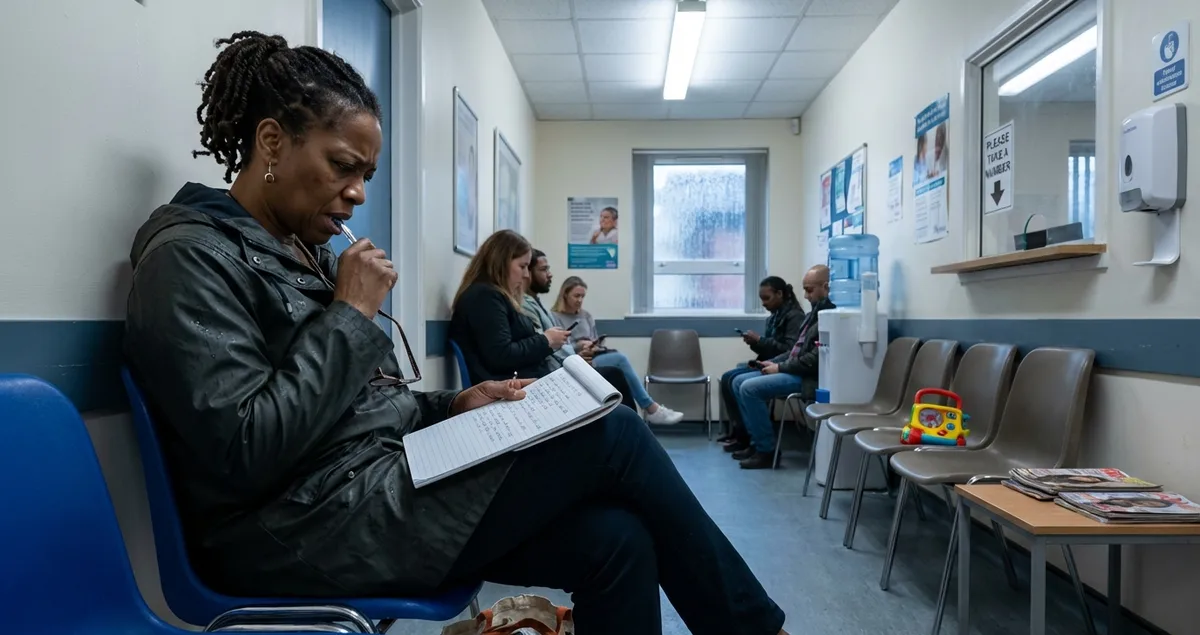
Not all doctors specialize in menopause. Learn how to find a certified menopause specialist, what credentials to look for, and how to evaluate whether they're right for you.
Key Takeaways
- Only one in five U.S. gynecologists received formal menopause training in residency, making specialist care increasingly important
- NCMP (Menopause Society Certified Menopause Practitioner) is the gold-standard credential for menopause specialists, requiring specialized training and competency testing
- Menopause specialists come from diverse medical backgrounds: gynecologists, reproductive endocrinologists, cardiologists, psychiatrists, and other fields
- Use The Menopause Society directory (menopause.org) as your primary resource to find NCMP-certified providers in your area
- Evaluate specialists by their approach to shared decision-making, ability to discuss risks and benefits, and willingness to listen to your concerns
- If you can't find a local specialist, telehealth options expand access to certified menopause care regardless of geography
Why Your Primary Care Doctor Might Not Be Enough
You've tried talking to your regular doctor about menopause. Maybe they seemed dismissive. Maybe they offered limited options. Or maybe they were kind but admitted they didn't have deep expertise in this area. Whatever the reason, you're realizing that finding someone with real menopause specialization might be the key to getting the care you need.
This makes complete sense. Menopause is a major life transition affecting 50+ million women in the U.S., yet it's been largely absent from medical training for decades. The statistics are striking: fewer than one in five U.S. gynecologists received formal menopause education during their residency training. When less than 20% of OB-GYNs have specialized training, it's no wonder so many women report feeling dismissed or under-treated.
A menopause specialist approaches your care differently. They've sought out additional education beyond standard medical training. They've made menopause a focus of their practice. They understand the complexity of individualized treatment, the evidence around hormone therapy and alternatives, and how menopause intersects with other health conditions. Most importantly, they listen.
If you've decided you need specialist-level care, here's how to find the right person.
What Does a Menopause Specialist Actually Do?
Before searching, it helps to understand what specialist care looks like. A menopause specialist does more than just prescribe hormones. Their role includes:
- Comprehensive assessment. They take a detailed medical, reproductive, and family history to understand your individual risk profile and symptom pattern.
- Symptom evaluation. They help distinguish menopause symptoms from other potential causes (thyroid disease, sleep disorders, depression, etc.).
- Treatment planning. They explain all options, not just one approach, and involve you in deciding what's right for your life and health.
- Risk assessment. They understand your personal and family health history and how it affects what treatments are appropriate for you.
- Ongoing support. They follow up to see whether treatment is working, adjust approaches when needed, and address new concerns that emerge.
- Connection to other care. They may coordinate with your primary care doctor, cardiologist, psychiatrist, or other providers to ensure comprehensive care.
This is fundamentally different from a quick appointment where a doctor says, "Try this and call me if it doesn't work." Specialist care is collaborative and individualized.
Understanding Menopause Credentials
The gold-standard credential in menopause medicine is NCMP: Menopause Society Certified Menopause Practitioner. This certification, offered by The Menopause Society (also known as the North American Menopause Society or NAMS), means a provider has completed additional specialized training and passed a rigorous competency exam. To earn NCMP certification, practitioners must:
- Complete coursework in menopause management
- Demonstrate clinical experience in menopause care
- Pass a comprehensive exam covering menopause assessment, treatment options, long-term health effects, and evidence-based practice
NCMP certification is challenging to earn, which means practitioners who hold it have made a serious commitment to menopause expertise. It's one of the most reliable markers of specialized knowledge.
Other relevant credentials include:
- Reproductive Endocrinologist (RE or MD, PhD). These are physicians with additional training in reproductive medicine and endocrinology (hormone disorders). While originally trained to help with fertility, many REs focus on menopause and hormonal health later in life.
- Board-certified Gynecologist. A standard gynecology credential doesn't guarantee menopause expertise, but some gynecologists pursue additional menopause training.
- Board-certified in Obstetrics and Gynecology (OBGYN). Again, this is standard training, but menopause focus varies widely.
When evaluating a provider, look first for NCMP certification. If NCMP isn't available in your area, then look for providers with menopause focus or reproductive endocrinology training, and ask specifically whether they specialize in menopause care.
Types of Menopause Specialists
Menopause specialists come from diverse medical backgrounds. Understanding these different types helps you know where to look:
Gynecologists and Reproductive Endocrinologists
Gynecologists specialize in reproductive health and are a natural fit for menopause care. Within gynecology, some pursue additional training and build practices focused on menopause management. Reproductive endocrinologists originally trained in fertility but often develop menopause expertise as their practices mature.
Both are excellent starting points for finding a menopause specialist.
Internists and Family Medicine Doctors
Internists and family medicine doctors manage overall health across the lifespan. Some pursue NCMP certification or develop menopause expertise within their primary care practice. These doctors are valuable because they understand your broader health context and can manage menopause alongside other chronic conditions.
Cardiologists
Some cardiologists specialize in menopause because cardiovascular risk increases significantly after menopause. If you have a strong family history of heart disease or have experienced cardiac events, a cardiologist with menopause expertise may be ideal.
Psychiatrists and Mental Health Providers
Mood changes, anxiety, and depression can be menopause-related or separate mental health conditions, or both. Some psychiatrists pursue menopause training to better understand mood changes in midlife women. If mood or mental health is your primary concern, a psychiatrist or therapist with menopause expertise can be invaluable.
Other Specialists
Dermatologists, physical therapists, nutritionists, and other providers can pursue NCMP certification. This diversity reflects that menopause affects multiple body systems and that some patients benefit from a multidisciplinary approach.
How to Find a Menopause Specialist
Start with The Menopause Society Directory
The Menopause Society (menopause.org) maintains the most comprehensive directory of NCMP-certified practitioners in North America. Go to menopause.org/find-a-provider and search by location, specialty, or provider name. This should be your first stop.
The directory includes:
- Provider name and location
- Medical credentials (MD, DO, NP, PA, etc.)
- Specialty focus
- Contact information and office location
This is a vetted, reliable list. Everyone listed has earned NCMP certification.
Use Additional Search Resources
If The Menopause Society directory doesn't yield results in your area, try:
- Psychology Today. Their therapist finder has filters for menopause and women's health.
- ZocDoc and Healthgrades. These platforms let you search by symptom or condition and filter by insurance accepted, location, and patient reviews.
- Your insurance provider's directory. Search using keywords like "menopause," "reproductive endocrinology," or "women's health" to find in-network providers.
- Local women's health organizations. Planned Parenthood chapters, women's health nonprofits, and community health centers often have provider referrals.
- University and major medical centers. Academic medical centers and large hospital systems often have specialized menopause clinics.
Ask Your Current Doctor for a Referral
Your primary care doctor or gynecologist may know local specialists, even if they don't specialize in menopause themselves. A referral can sometimes expedite your appointment and improve insurance coverage.
When asking, be specific: "I'm looking for a provider with menopause specialization or NCMP certification. Do you have any recommendations?"
Ask Your Employer's Employee Assistance Program (EAP)
Many employers offer EAP benefits that include health referral services. EAP staff can help identify providers in your area who specialize in menopause, and your insurance coverage should be straightforward since you're referred through your employer.
Evaluating a Menopause Specialist
You've found a few options. Now, how do you know if they're right for you? Here's what to evaluate:
Approach to Shared Decision-Making
The best menopause specialists practice shared decision-making. This means they:
- Explain multiple treatment options, not just one
- Discuss benefits and potential risks of each approach
- Ask what matters to you and what your preferences are
- Respect your autonomy to choose what feels right for your life
Red flag: A provider who says, "This is what I do for everyone" or who dismisses your questions.
Communication Style
A good specialist:
- Listens without interrupting
- Explains things in plain language, not just medical jargon
- Welcomes your questions and takes time to answer them
- Makes eye contact and seems genuinely interested in your concerns
- Doesn't rush through the appointment
You can often gauge this from the initial phone consultation or first appointment.
Credential and Experience
Ask:
- "Are you NCMP-certified?" (If yes, that's excellent; if no, ask why not and what other qualifications they have)
- "How many years have you focused on menopause care?"
- "What percentage of your practice is devoted to menopause patients?"
A specialist who devotes the majority of their practice to menopause care has deeper expertise than someone who sees menopause patients occasionally.
Willingness to Consider All Treatment Options
Ask during your consultation:
- "What treatment approaches do you typically recommend, and what other options are available if those don't work?"
- "Do you prescribe hormone therapy, and if so, under what circumstances?"
- "What non-hormonal options do you offer?"
- "How do you decide what's right for each individual patient?"
A good specialist explains that treatment is individualized and discusses options ranging from lifestyle approaches to pharmacological interventions.
Insurance and Access
Before scheduling, confirm:
- Does the provider accept your insurance?
- What is the wait time for an appointment?
- Do they offer telehealth appointments? (This can expand your options if local specialists are unavailable or have long wait times)
- What is their cancellation policy?
Willingness to Coordinate with Your Other Doctors
Menopause care doesn't exist in isolation. Ask whether the specialist:
- Communicates with your primary care doctor
- Coordinates with other specialists you see
- Respects treatment recommendations from other providers while adding their expertise
Red Flags: When to Keep Looking
Not every doctor is a good fit. Walk away if:
- The provider is dismissive of your concerns or uses language like "it's just your age"
- They refuse to discuss risks and benefits of treatments
- They pressure you into a treatment you're uncomfortable with
- They seem rushed or unwilling to answer questions
- They display bias based on your age, race, body size, or other factors
- They won't discuss why they're recommending a specific treatment
- They don't ask about your preferences or values
A specialist's job is to guide you with expertise while respecting your autonomy. You deserve that kind of care.
What to Expect at Your First Menopause Specialist Appointment
Knowing what to expect can ease anxiety about the first visit:
Timing. Your first appointment will likely be longer than a typical doctor visit. Expect 60 to 90 minutes.
History-taking. Prepare for detailed questions about your menstrual history, current symptoms, family health history, lifestyle, and what you've already tried for symptom management.
Symptom assessment. The specialist will ask about frequency, severity, and impact of each symptom. They may use a standardized symptom scale.
Review of medical records. They'll review your past medical history, medications, and any relevant lab work.
Physical examination. Depending on your symptoms, you may have a physical exam, pelvic exam, or other assessment.
Discussion and planning. Together, you'll discuss what's causing your symptoms, what treatment options make sense for you, and what the next steps are.
Time for questions. Good specialists leave time at the end for your questions and concerns.
Come prepared with your symptom tracker, medication list, and written questions (as discussed in the previous article on talking to your doctor about menopause).
What the Research Says
Current clinical guidelines from NICE and NAMS emphasize that menopause care should be individualized, evidence-based, and centered on shared decision-making. Research on patient experiences confirms that women want providers who listen, take symptoms seriously, explain options clearly, and respect their preferences.
Studies show that patients with menopause specialists report higher satisfaction with care and better symptom management outcomes. This is likely because specialists have deeper knowledge, take more time, and tailor treatment to individual needs rather than applying a one-size-fits-all approach.
Practical Steps You Can Take Today
- Start your search. Go to menopause.org/find-a-provider and enter your location. See who's available near you.
- Check your insurance. If you find someone, verify they're in-network before scheduling. If they're out-of-network, ask your insurance whether telehealth visits are covered differently.
- Call to ask qualifying questions. When the office answers, ask: "Is the provider NCMP-certified?" and "What is the current wait time for a new patient appointment?" If they can't answer, ask to speak with a scheduler.
- Ask about telehealth. If local options are limited, ask whether the provider offers telehealth visits. Many menopause specialists do.
- Schedule your appointment. Don't delay. Even if the wait is several months, getting on the list matters.
- Prepare your materials. Use your symptom tracker, medication list, and questions from the previous article.
When to Talk to Your Doctor About Finding a Specialist
You should consider seeking specialist care if:
- Your primary care doctor seems dismissive of menopause symptoms
- You've been in treatment for menopause symptoms for 2+ months without adequate improvement
- Your symptoms are affecting your quality of life significantly
- You have complex health conditions that interact with menopause (history of blood clots, high cardiovascular disease risk, osteoporosis, or other conditions)
- You want a second opinion on your current menopause treatment plan
- Your doctor cannot answer your questions about menopause management
- You'd like access to the full range of menopause treatment options
- You're entering menopause and want proactive guidance about long-term health
Additionally, if you live in a remote area or have difficulty traveling, ask your current doctor whether they can refer you to a specialist offering telehealth care.
How Menoa Can Help
Finding the right specialist is important, but so is tracking your symptoms and understanding your patterns between appointments. Menoa's symptom tracker gives you detailed data to bring to your specialist appointment, making your conversations more productive and helping your doctor tailor treatment to your needs.
Frequently Asked Questions
Is a reproductive endocrinologist the same as a menopause specialist?
Not exactly. Reproductive endocrinologists are specialists in reproductive medicine and hormonal health. While many pursue menopause expertise, not all do. If considering an RE, ask specifically whether they focus on menopause care and whether they're NCMP-certified.
What if there are no NCMP-certified specialists near me?
Telehealth has expanded access significantly. Search The Menopause Society directory without location filters to see providers who offer telehealth nationally. Alternatively, ask your primary care doctor for a referral to someone with menopause focus, even without NCMP certification, and evaluate them using the criteria above.
How much does a menopause specialist visit cost?
Costs vary by location, provider credentials, and whether they're in-network with your insurance. In-network visits typically cost 20 to 50 dollars depending on your copay. Out-of-network visits can range from 150 to 400+ dollars. Some specialists offer payment plans or sliding scale fees. Ask about cost when scheduling.
How often will I need to see a menopause specialist?
This varies. Initial visits are often followed by a second visit 4 to 8 weeks later to evaluate how treatment is working. After that, follow-up frequency depends on how you're doing. Some patients return quarterly, others annually. Your specialist will recommend a schedule.
Can my primary care doctor manage menopause without a specialist?
Many primary care doctors manage menopause effectively, especially if they've pursued additional training. The question is whether your specific doctor has that expertise and whether you feel supported by them. If not, specialist referral is reasonable.
What if I don't click with the first specialist I see?
It's okay to try someone else. Finding the right provider is a bit like dating: sometimes the first match isn't the right one. If you don't feel heard or respected, or if the treatment approach doesn't align with your values, seek another opinion.
Sources
- Menopause Society Practitioner Directory | The Menopause Society
- How to Find a Menopause Specialist Who Actually Listens | AARP
- Find the Best Menopause Specialist Near You | Let's Talk Menopause
- Choosing a Healthcare Practitioner | The Menopause Society
- What is a Menopause Society Certified Practitioner | LabCorp
- Overview | Menopause: identification and management | NICE
- North American Menopause Society Guidelines | The Menopause Society
- Hormone Health Network | Menopause Support and Resources
More articles
 Healthcare & Support
Preparing for Your Menopause Appointment: Tracking, Documentation, and Questions
A practical guide to preparing for menopause-related doctor visits. Learn how to track symptoms, organize your health history, and ask the right questions.
 Healthcare & Support
Menopause Self-Advocacy: How to Get the Care You Deserve
Learn how to advocate for yourself with healthcare providers and get the menopause care you deserve. Expert strategies for symptom documentation, speaking with doctors, finding specialists, and more.