Premature Ovarian Insufficiency: When Early Menopause Isn't Your Choice
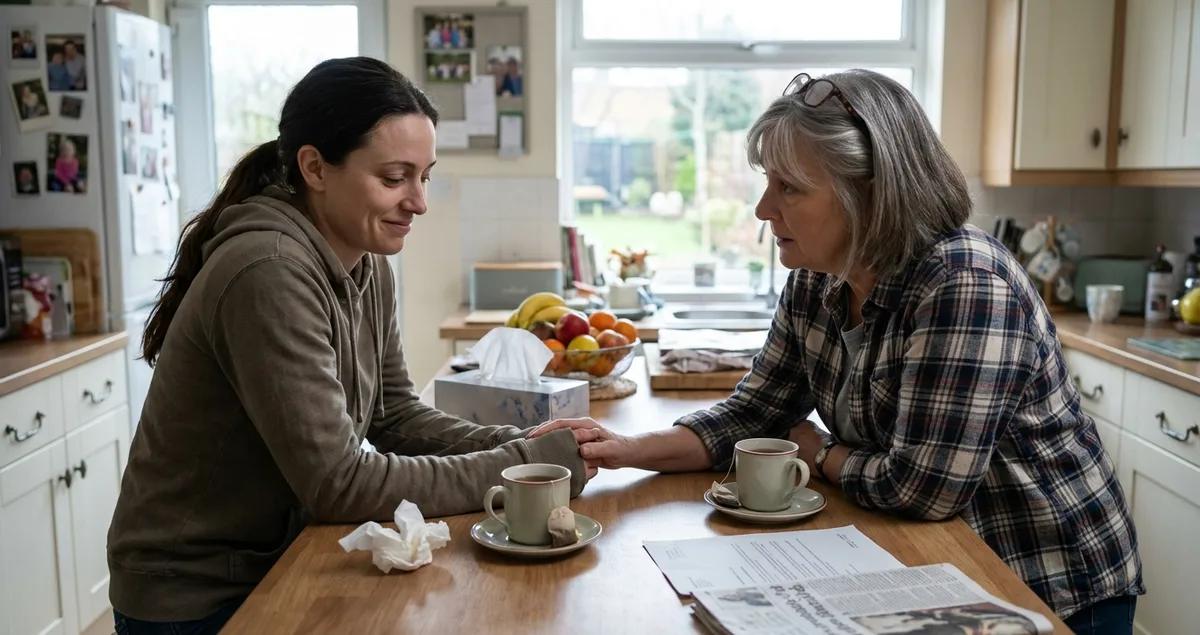
Premature ovarian insufficiency (POI) is devastating news at any age, but getting that diagnosis in your 30s or early 40s carries a particular weight. This complete guide explains what's happening in your body, why it's happening, your treatment options, and how to navigate the profound emotional impact.
Key Takeaways
- Premature ovarian insufficiency affects 1% of women under 40, though the cause remains unknown in 90% of cases
- POI is not the same as early menopause, because your period may return even after diagnosis
- Hormone therapy is the cornerstone of treatment and helps protect bone health, heart health, and quality of life
- Women with POI report significant emotional impact, including grief over fertility and identity shifts, which deserves dedicated support
- 5-10% of women with POI conceive naturally without fertility treatment, making monitoring and counseling essential
The Weight of an Unexpected Diagnosis
Getting told your ovaries are failing in your 30s is not something anyone plans for. It's not something you'd expect to face while your friends are planning pregnancies or just beginning to think about starting families. The diagnosis of premature ovarian insufficiency (POI), also called primary ovarian insufficiency, carries a particular heaviness. It's not just about symptoms, though those are real and significant. It's about the future you thought you had suddenly shifting.
Many women describe receiving a POI diagnosis as devastating. The grief is real. The loss is real. And your feelings, whatever they are right now, are completely valid.
This guide is here to help you understand what's happening in your body, why it's happening, and most importantly, what your options are. We'll talk about the medical side of POI, but we'll also address the emotional weight that comes with it. Because managing POI isn't just about hormone levels, it's about reclaiming your sense of agency and possibility.
What Is Premature Ovarian Insufficiency?
Premature ovarian insufficiency is the loss of normal ovarian function before age 40. Your ovaries are no longer producing the hormones your body needs or releasing eggs regularly. It's characterized by irregular or absent periods, elevated FSH levels (follicle-stimulating hormone), and low estrogen levels.
The term itself is important. Healthcare providers stopped using "failure" years ago, and there's good reason. Failure implies finality. Insufficiency is more accurate. Your ovaries aren't permanently shut down, they're just not working reliably. This distinction matters because it opens a door: around 5-10% of women with POI will conceive naturally without fertility treatment, sometimes years after diagnosis.
POI affects approximately 1 in 100 women under 40, though that number climbs to 1 in 1,000 for women under 30. It's rarer than standard menopause, but it's not rare enough that you're the only one experiencing it.
POI Is Not Early Menopause
This distinction is crucial and often misunderstood. Many women with POI are told they're going through early menopause, and that language, while understandable, misses something important.
Early menopause, or premature menopause, is when you reach permanent menopause (defined as 12 consecutive months without a period) before age 40. Surgical menopause, which happens after a hysterectomy or surgical removal of both ovaries, is similarly permanent.
POI is different. With POI, your periods may stop for months, even years, but then return unpredictably. Your ovaries might release an egg one month and nothing the next. This unpredictability is maddening when you're trying to plan your life, but it's also why conception is still possible.
The language matters because it shapes how we understand your body and your future. You're not definitively done with reproduction. You're not necessarily entering a permanent menopausal state. You're living with hormonal uncertainty, and that's a specific challenge that deserves specific support.
How This Happens: The Biology of POI
To understand POI, it helps to know what's normally happening in your ovaries.
You're born with about 1 to 2 million eggs. By puberty, that number drops to around 400,000. Each month during your reproductive years, your brain sends out FSH, a hormone that tells your ovaries to wake up and prepare eggs for potential release. As those eggs develop, the follicles they're in produce estrogen, which tells your uterus to build up its lining. Eventually, a surge of another hormone, LH, triggers ovulation. Your body releases an egg. If it's not fertilized, your period comes about two weeks later.
It's an intricate choreography involving your brain, your hormones, and your ovaries talking to each other month after month for decades.
In POI, something disrupts this conversation. Your brain is still sending FSH signals, but your ovaries aren't responding the way they should. This can happen for several reasons.
Sometimes you don't have enough eggs left in your ovaries. Sometimes the eggs you have don't develop properly. Sometimes your immune system is attacking your ovarian tissue. Sometimes there's genetic damage to the eggs that prevents them from developing. In most cases (about 90%), doctors never figure out exactly what went wrong.
When your ovaries aren't producing enough estrogen, your body registers a crisis. Your brain responds by flooding your system with even more FSH, trying to force the conversation. This is how we diagnose POI: elevated FSH levels combined with low estrogen and irregular or absent periods.
The symptoms that follow, hot flashes, night sweats, mood changes, brain fog, vaginal dryness, they're all your body's response to suddenly operating in a low-estrogen state. Your entire system was built around expecting estrogen. When it drops, everything feels wrong.
What Causes POI?
In about 90% of cases, the cause of POI remains unknown. You could do dozens of tests and still not have a clear answer for why your ovaries started failing. That uncertainty is frustrating, but it's important to know you're not alone in this mystery.
When a cause is identified, it typically falls into one of these categories:
Genetic Factors
Certain genetic conditions increase your risk of POI. Turner syndrome, where you have an incomplete or missing X chromosome, is strongly associated with POI. Fragile X syndrome, a genetic condition affecting cognitive development, also carries a POI risk. If you have a mother or sister with POI, your risk increases.
Some women carry gene mutations that don't cause a syndrome but still affect how their eggs develop or how their ovaries function. Genetic testing can sometimes identify these, but not always.
Autoimmune Conditions
Your immune system can sometimes mistakenly attack your ovarian tissue, damaging the follicles and reducing your egg supply. This autoimmune type of POI is associated with other autoimmune diseases like Hashimoto's thyroiditis (one of the most common autoimmune conditions linked to POI), Graves' disease, celiac disease, and lupus.
If you have another autoimmune condition, mention this to your doctor when discussing POI, because it affects both how you're diagnosed and how you're treated.
Infections
Certain viral infections can damage ovarian tissue. These include mumps, tuberculosis (particularly TB of the reproductive tract), and cytomegalovirus. If you've had one of these infections, it's worth mentioning to your healthcare provider.
Cancer Treatment
If you've had chemotherapy or pelvic radiation for cancer, your risk of POI is significantly elevated. These treatments can damage eggs in your ovaries or impair how your ovaries function. The dose and type of treatment matter, as does your age when you received treatment. Younger women tend to have more ovarian reserve remaining, so they may have a better long-term prognosis.
Surgical Factors
Ovarian surgery, even surgery intended to preserve ovarian function (like removing a cyst), can potentially damage some of the eggs in your ovaries. Large surgeries or multiple surgeries carry higher risk.
Environmental Exposures
Some research suggests that exposure to certain chemicals, including pesticides and industrial chemicals, might be linked to POI, though this area of research is still developing.
Idiopathic POI
If you go through the testing and no cause is found, you have idiopathic POI, which simply means we don't know why. This is where most women land. It can feel frustrating not to have answers, but it doesn't change your treatment or prognosis. Sometimes our bodies just do unexpected things.
How POI Is Diagnosed
The diagnosis of POI requires three key findings:
1. Age Under 40
You must be under 40 years old when symptoms begin. This is the defining feature that distinguishes POI from standard menopause.
2. Irregular or Absent Periods
Your periods have become unpredictable. You might skip months, then have them return. Your cycle might be very short or very long. Some women go straight into amenorrhea (no periods). Others have sporadic spotting. The pattern is usually erratic, and that unpredictability is actually part of the diagnostic picture.
3. Hormone Levels
Blood tests show elevated FSH (typically above 25 mIU/mL, often much higher) and low estradiol (the main form of estrogen). These tests are typically done on days 2-5 of your cycle if you still have periods, or at any time if you don't. Because POI comes with hormonal fluctuations, your doctor may repeat these tests at least a month apart to confirm the diagnosis.
Additional Testing
Your doctor might also order:
- Pelvic ultrasound, to count the follicles in your ovaries. Fewer than 4 follicles visible across both ovaries supports the diagnosis.
- Pregnancy test, to rule out pregnancy as a cause of missed periods.
- Thyroid tests, because thyroid disorders can cause irregular periods and are often associated with POI.
- Autoimmune screening, if your doctor suspects an immune component.
- Testing for specific genetic conditions, if your history suggests it.
The diagnostic process can take time. You might see multiple doctors before someone confirms what's happening. Trust your instincts. If something feels off, keep asking for testing. POI is easy to miss because it can look like stress, disordered eating, excessive exercise, thyroid disease, or just normal irregularity.
Living with the Symptoms
The symptoms of POI are the symptoms of low estrogen. They're remarkably similar to what you'd experience in menopause, which makes sense, but the context is very different. You're experiencing this in your 20s, 30s, or early 40s. Your peers aren't. That isolation can be as difficult as the symptoms themselves.
Vasomotor Symptoms
Hot flashes and night sweats are often the most visible symptoms. Your estrogen levels are dropping, and your brain interprets this as overheating. Your blood vessels dilate, your heart races, you sweat. These episodes are real and miserable, and they're not something you can just power through.
Night sweats can be particularly disruptive, waking you multiple times a night, drenching your clothes and bedding. Sleep deprivation compounds everything else you're dealing with.
Mood and Cognitive Changes
Low estrogen affects neurotransmitters like serotonin and dopamine. Many women with POI experience anxiety, depression, and emotional volatility. Some describe a flatness of mood, a lack of pleasure in things they used to enjoy.
Brain fog is real. You might struggle to remember words, find it hard to concentrate, or feel like you're moving through mental tasks at half speed. This can be especially frightening if it's unexpected and unexplained.
Vaginal and Sexual Health
Declining estrogen causes the tissues of your vagina and vulva to thin and dry out. This leads to dryness, itching, pain with intercourse, and increased susceptibility to infections. Your libido may drop, partly from the hormonal changes and partly from the physical discomfort.
This aspect of POI is often not discussed, but it deeply affects quality of life and relationships. You deserve treatment for this, both medical and emotional.
Bone Health
Low estrogen over time affects bone density. Women with POI have an increased risk of osteoporosis if their estrogen isn't adequately replaced. This is one reason HRT is so important for younger women with POI, not just for symptom relief but for long-term skeletal health.
Cardiovascular Risk
Low estrogen also increases cardiovascular risk over time. Estrogen normally has protective effects on the cardiovascular system. Without it, your risk of heart disease and stroke increases as you age.
Other Symptoms
Some women report joint pain, muscle aches, headaches, and changes in hair and skin quality. The low-estrogen state affects your entire body.
Treatment Options: Reclaiming Your Health
There's no way to restore your ovaries to their previous function. That's important to say clearly. But there is a very effective way to manage POI, and that's hormone replacement.
Hormone Replacement Therapy (HRT) As the Foundation
HRT is the gold standard treatment for POI. It works by replacing the hormones your ovaries aren't making, bringing your body back into a normal hormonal state.
For POI specifically, HRT serves two purposes beyond symptom relief. It protects your bone health and your cardiovascular health, preventing the long-term complications that can arise from prolonged low estrogen.
Estrogen:
Your doctor will prescribe estrogen, typically in one of these forms:
- Transdermal patch (skin patch), which delivers estrogen through your skin. This is often preferred because it bypasses your liver, giving a steadier hormone level.
- Oral tablets, taken daily. These go through your liver, which can affect blood clotting factors and cholesterol levels.
- Vaginal creams, rings, or tablets, for localized delivery to the vaginal area if you're having specific vaginal symptoms.
- Gels or sprays, applied to skin.
The type of estrogen matters too. Estradiol (the form your ovaries would normally produce) is generally preferred over conjugated estrogens or other synthetic forms.
Progestin:
If you still have your uterus, you'll also need a progestin (synthetic progesterone) to protect your uterine lining. This is usually given cyclically (10-14 days per month) to trigger a withdrawal bleed, or continuously to prevent any bleeding.
If you've had a hysterectomy, you don't need progestin.
Testosterone:
Some women with POI benefit from small doses of testosterone, particularly if they're experiencing reduced libido or low energy. This is still somewhat controversial, but emerging evidence supports its cautious use in young women with POI.
Finding Your Right Dose
Getting your HRT right takes time. Your doctor will start you at a dose and then check your symptoms and, sometimes, your hormone levels to see if you need adjustments. For POI, the doses are often higher than what's used for standard menopausal hormone therapy, because the goal is to bring you back to youthful hormone levels, not just to stop hot flashes.
This process requires patience and good communication with your doctor. Keep track of your symptoms. Report back honestly about what's working and what isn't. Adjustments are normal and expected.
Lifestyle Strategies
While HRT is the primary treatment, lifestyle strategies support your overall health:
Sleep: Prioritize good sleep. Night sweats disrupt sleep, and sleep deprivation worsens everything. Dark, cool rooms help. Some women find linen sheets more tolerable. If your sleep is severely disrupted, talk to your doctor.
Movement: Regular physical activity supports bone health, cardiovascular health, mood, and sleep. Aim for a mix of weight-bearing exercise (walking, dancing, strength training) and cardiovascular activity. Exercise also helps with mood and anxiety.
Nutrition: A nutrient-dense diet supports bone health and overall wellbeing. Make sure you're getting enough calcium and vitamin D. Some women find that certain foods (like very hot foods or caffeine) trigger hot flashes.
Stress Management: Stress can worsen symptoms and the emotional toll of POI. Whatever helps you manage stress, whether that's meditation, therapy, time in nature, or creative pursuits, is worth prioritizing.
Avoiding Triggers: Some women find that hot beverages, spicy food, hot environments, or stress trigger hot flashes. Keeping a symptom log can help you identify your personal triggers.
The Fertility Question: Can You Still Get Pregnant?
This is often the first question women ask after diagnosis. Can I still have children?
The answer is more hopeful than the word "insufficiency" might suggest. Between 5-10% of women with POI will conceive spontaneously without any fertility treatment. Your periods might be erratic, but ovulation can still happen. Pregnancy is possible.
That said, if you want to become pregnant and it's not happening naturally, you have options.
Fertility Monitoring
Some women with POI choose to monitor their fertility carefully, using ovulation predictor kits, tracking basal body temperature, or checking cervical mucus. When you ovulate, you try to conceive. This approach works best if your ovulation is happening at least somewhat regularly.
Fertility Treatment
If natural conception isn't happening, fertility treatments like in vitro fertilization (IVF) are an option. Your fertility specialist will work with you to stimulate your ovaries to produce multiple eggs, which are then retrieved and fertilized in the lab. Success rates vary depending on your age and the number of viable eggs your ovaries can produce.
Using your own eggs (rather than donor eggs) is often possible with POI, because even though you have fewer eggs, the ones you have can still be healthy.
Fertility Preservation
If you're dealing with cancer treatment or another situation that might further damage your ovary function, talking to a fertility specialist about egg freezing or other fertility preservation options is important before you start treatment.
A Word About Grief
For many women, getting a POI diagnosis while wanting children is profoundly painful. Even if conception is still possible, the uncertainty of not knowing if it will happen is its own kind of grief. If you need to grieve the future you thought you'd have, that grief is valid. Many women find that talking to a therapist who understands fertility issues is invaluable.
The Emotional Reality of POI
The medical facts about POI are important, but they don't capture the full experience of living with this diagnosis.
Getting told you're going through early menopause in your 30s or early 40s hits differently than reaching menopause at 51. There's a mismatch between your body and your life stage. Your friends are still menstruating and wondering about starting families while you're dealing with night sweats and menopausal symptoms.
The Grief
Many women describe a distinct grief after diagnosis. You're grieving:
- The loss of reproductive certainty. You can't just decide when to have children anymore; you have to monitor, test, and hope.
- The loss of a certain future. The timeline you imagined for your life has shifted.
- The loss of a normal body. At an age when your body should be working reliably, it's not.
- Potentially the loss of the ability to have biological children, depending on your situation.
This grief is real and deserves to be honored, not dismissed or rushed through.
Identity Shifts
Many women with POI describe a disorienting incongruence between how they feel internally (young, in their prime, with decades of life ahead) and what their body is doing (experiencing menopausal symptoms). That mismatch creates confusion about identity.
You might also grieve the identity you thought you'd have. Maybe you always saw yourself as a mother, and suddenly that's uncertain. Maybe you imagined having a certain number of children and you're questioning whether that's possible. Identity shifts take time to integrate.
Isolation
You're dealing with something your friends probably aren't dealing with. They don't understand why you're tired all the time or why you seem depressed. They certainly don't understand why you're checking ovulation predictor kits at the same time they are casually trying to avoid pregnancy.
This isolation can be profound. Finding community, whether online or in person, with other women who have POI can be transformative. Knowing you're not alone in this specific experience matters.
Managing the Emotional Weight
Some strategies that help:
Therapy: A therapist who understands both hormonal health and identity issues can be invaluable. If you can find someone who specializes in fertility issues or women's health, even better.
Support groups: Online or in-person communities for women with POI exist. Hearing from others who truly understand what you're dealing with normalizes your experience.
Talking about it: Don't minimize your experience to others or to yourself. It's okay to say, "This is really hard" and mean it.
Grief work: Give yourself permission to grieve. Your feelings are valid.
Maintaining relationships: Depression and isolation can tempt you to withdraw. Try to maintain connections, even when it's hard.
Reclaiming agency: As much as possible, focus on the choices you still have. You have agency in how you manage your health, in whether you pursue treatment options, in how you understand your future.
What Research Shows: Looking Forward
The scientific understanding of POI is evolving. Research is ongoing into:
- Better diagnostic methods, including ways to predict how long your ovarian function will last and how likely spontaneous pregnancy is.
- Potential ways to restore ovarian function, though we're not there yet. Various experimental approaches are being explored, but none have proven effective enough for clinical use.
- Long-term health outcomes, to better understand how POI affects bone health, cardiovascular health, and overall mortality.
- Psychological support approaches, recognizing that the emotional impact of POI is as important as the physical management.
The 2024-2025 guidelines from the American Society for Reproductive Medicine emphasize the importance of holistic treatment that addresses not just hormone replacement but also fertility counseling, psychological support, and long-term health monitoring.
When to See a Doctor: Red Flags and Green Lights
See a doctor if:
- You've had fewer than 4 periods in the past year and you're under 40
- Your periods have stopped entirely for more than 3 months
- You're experiencing severe hot flashes, night sweats, or other symptoms that are affecting your quality of life
- You want to get pregnant and it's been more than a few months without success
- You have a history of autoimmune disease and irregular periods
- You're experiencing significant mood changes, depression, or anxiety that coincide with cycle irregularity
- You have a family history of early menopause or POI
Questions to Ask Your Doctor:
- Can you test my FSH levels to check for POI?
- If I have POI, should I start HRT right away or wait?
- How often should my hormone levels be checked?
- What HRT options are available, and which is best for my situation?
- Should I see a fertility specialist?
- What can I expect in terms of long-term health monitoring?
- Are there any other tests I should have, given my personal or family history?
- Do you have resources or referrals for counseling or support?
Practical Steps: Moving Forward
If You Suspect POI:
-
Schedule with your OB-GYN or primary care doctor. Describe your symptoms and cycle changes clearly. Ask specifically about POI testing.
-
Track your symptoms for a few months before your appointment. Note when your periods happen, what symptoms you're experiencing, and how they're affecting your daily life.
-
List your personal and family history. Autoimmune conditions, early menopause in family members, previous surgeries, cancer treatment, anything relevant.
-
Get the testing done. If your doctor is reluctant to test, ask why or seek a second opinion. POI is real, and you deserve a clear answer.
If You've Been Diagnosed with POI:
-
Understand your hormone levels. Ask your doctor to explain your FSH, estradiol, and other results. Know what your numbers are.
-
Discuss HRT options with your doctor. Talk about what type, dose, and formulation makes sense for your life.
-
Start a symptom log. Track how you feel on your current treatment. This helps your doctor adjust your dose if needed.
-
Connect with others. Find a support group or online community. You're not alone in this.
-
Consider counseling. The emotional impact of POI is significant. A therapist can help you process the diagnosis and plan for your future.
-
Plan for long-term monitoring. Bone density scans, cardiovascular health checks, and regular hormonal monitoring should be part of your ongoing care.
-
Revisit your fertility plans. Talk to your doctor about your fertility goals. Know your options and timelines.
How Menoa Can Help
Menoa is designed for people navigating hormonal transitions of all kinds. If you're living with POI:
- Track your symptoms and patterns to identify what's helping and what's not. Understanding your personal patterns is powerful.
- Learn from articles and resources written specifically for your situation, not generic menopause content that doesn't capture the reality of POI in your 20s and 30s.
- Connect with others in the community who truly understand what you're dealing with.
- Monitor your treatment over time, seeing how your body responds to HRT or other interventions.
Frequently Asked Questions
Q: Is POI the same as menopause?
A: No. Menopause is permanent cessation of periods for 12 consecutive months. POI involves irregular or absent periods, but ovulation might still happen. Periods may return. That's a crucial difference.
Q: Can my periods come back after being diagnosed with POI?
A: Yes. About half of women with POI will have periods return after they've stopped. That's why regular monitoring is important.
Q: If I have POI, will I definitely not be able to have children?
A: No. 5-10% of women with POI conceive naturally without fertility treatment. More conceive with fertility treatment. POI reduces your fertility odds, but it doesn't eliminate them.
Q: Is HRT safe for young women with POI?
A: Yes. Medical organizations including ACOG and ASRM recommend HRT for women with POI under 40. The hormone levels you're missing are protective for your bone and heart health. HRT replaces what your body is lacking.
Q: How long will I need to take HRT?
A: Generally until the age of natural menopause, around 51. This means you might take HRT for 10-20+ years. Your doctor will discuss long-term management with you.
Q: Can I get pregnant while taking HRT?
A: Technically yes, though it's uncommon because most HRT regimens suppress ovulation. If you're trying to conceive, talk to your doctor about whether your current HRT should be adjusted or stopped.
Q: Is POI genetic?
A: There's a genetic component. Having a family member with POI increases your risk. Some gene mutations are associated with POI. But many women with POI have no family history, so it's not purely genetic.
Q: Will POI affect my life expectancy?
A: With appropriate HRT and monitoring, not significantly. The concern is the long-term effects of untreated low estrogen, including bone loss and cardiovascular disease. That's why treatment is important.
Q: Is there a cure for POI?
A: Not yet. Research is ongoing into potential ways to restore ovarian function, but currently there's no cure. Management through HRT and lifestyle approaches is the standard of care.
Sources
- Mayo Clinic: Primary Ovarian Insufficiency
- Cleveland Clinic: Primary Ovarian Insufficiency
- MedlinePlus: Primary Ovarian Insufficiency
- ACOG: Hormone Therapy in Primary Ovarian Insufficiency
- American Society for Reproductive Medicine: Evidence-based Guideline on Premature Ovarian Insufficiency
- NICHD: Treatments for POI
- NIH StatPearls: Primary Ovarian Insufficiency
- Patient.info: Premature Ovarian Insufficiency
- Frontiers in Endocrinology: Current Understanding of POI
- Cleveland Clinic Journal of Medicine: The Overlooked and Undertreated Perils of POI
Terms in this article
A condition of declining ovarian function before age 40, characterized by irregular menstrual periods, elevated FSH levels, and diminished estrogen production with significant health implications.
A pituitary hormone that stimulates ovarian follicle development and estrogen production; levels rise significantly after menopause but are unreliable for diagnosis due to dramatic fluctuations during perimenopause.
A hormone produced primarily by your ovaries that regulates your menstrual cycle, supports bone and heart health, and affects mood, skin, and vaginal tissue. Estrogen levels decline sharply during menopause, causing many symptoms.
The point when you have gone 12 consecutive months without a period, marking the end of your reproductive years. It happens at 51 on average, usually between 45 and 55.
Menopause occurring before age 45, affecting around 5% of women. Also called premature menopause when it happens before age 40, which affects about 1% of women.
Immediate menopause caused by surgical removal of both ovaries (bilateral oophorectomy), resulting in sudden hormonal change and typically more severe symptoms than natural menopause.
Hormone replacement therapy: estrogen, usually with progesterone, taken to replace the hormones your body stops making. It is the most effective treatment for moderate to severe menopause symptoms.
More articles
 Stages & Transitions
Late Perimenopause: The Final Years Before Your Last Period
Late perimenopause brings profound changes as your body approaches your final period. Understand what's happening, what to expect, and how to navigate this final transition.
 Stages & Transitions
Irregular Periods During Perimenopause: What's Normal and When to Worry
Understand normal period changes during perimenopause, when to seek medical care, and how to effectively track your unique cycle pattern.