Early Menopause Before 45: Causes, Support, and Treatment Considerations

Early menopause changes everything. Learn what causes it, how it differs from typical menopause, and what support and treatment options are available to you.
Key Takeaways
- Early menopause (before 45) happens to about 5% of women; premature menopause (before 40) happens to about 1%
- Causes include surgical ovary removal, cancer treatments, genetic factors, and unknown causes in most POI cases
- Early menopause is distinct from Primary Ovarian Insufficiency (POI), where some women may still have occasional periods and fertility preservation remains possible
- Surgical menopause is abrupt and symptoms are typically more severe than natural menopause
- Induced menopause from cancer treatment carries specific long-term health considerations
- Early menopause increases risk for osteoporosis and cardiovascular disease, making long-term monitoring essential
- Mental health support is crucial, as early menopause can carry grief, loss, and identity shifts
The Shock of Early Menopause: You're Not Alone
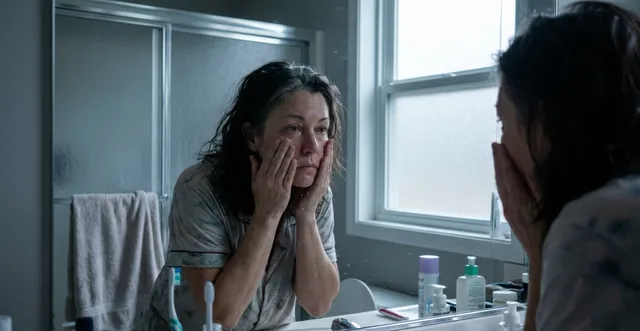
Your doctor handed you a diagnosis you didn't expect. "Early menopause," they said, or maybe "premature ovarian failure," or "your chemotherapy brought on menopause." You nodded, asked a few questions, and then sat in your car afterward trying to process what this means for your body, your fertility, your future.
Early menopause hits differently than menopause at 51. It arrives when you weren't expecting it. It forces conversations about fertility before you were ready. It means navigating a transition surrounded by peers who are nowhere near this stage of life. And it often comes with additional complexity: a cancer diagnosis, recent surgery, or genetic factors that feel deeply personal.
The good news is that you have options, support exists, and your life isn't ending. It's changing. But you can navigate this with knowledge, advocacy, and the right support system.
What Is Early Menopause?
Early menopause is when menopause occurs before age 45. Premature menopause is when it happens before age 40. Both terms describe a permanent end to menstruation and fertility.
About 5% of women experience menopause before age 45. About 1% experience it before age 40. These numbers feel very abstract when it's happening to you, but they're worth knowing: you're not the only one navigating this.
The distinction between early menopause and Primary Ovarian Insufficiency (POI) is important and often misunderstood. Premature menopause means your periods have stopped permanently and you cannot become pregnant naturally. POI, on the other hand, is a condition where your ovaries stop functioning normally, but fertility may still be preserved. With POI, you might have occasional periods, you might ovulate spontaneously, and there's a 5-10% chance of becoming pregnant naturally even after diagnosis. If you have POI, your situation offers more options than premature menopause.
Why Early Menopause Happens: The Main Causes
Surgical Menopause
Surgical menopause is the most straightforward cause of early menopause. When both ovaries are surgically removed, estrogen and progesterone production stops immediately. Menopause doesn't unfold gradually; it arrives overnight.
Surgical menopause can result from:
- Hysterectomy with oophorectomy (removal of uterus and ovaries, often for fibroids, endometriosis, or cancer)
- Bilateral salpingo-oophorectomy (removal of both ovaries and fallopian tubes)
- Emergency removal of ovaries due to ovarian torsion, ruptured cysts, or infection
The symptom profile of surgical menopause differs dramatically from natural menopause. Because hormone levels drop instantly rather than gradually, hot flashes, night sweats, mood changes, and vaginal dryness are typically more severe and sudden. Many women find that their symptoms are more pronounced and harder to manage than they would be with a gradual transition.
Cancer Treatment
Induced menopause from cancer treatment is devastating in multiple ways: you're already processing a cancer diagnosis, and now your reproductive years are ending.
Chemotherapy can damage the ovaries, causing menopause. The risk depends on your age and the specific chemotherapy regimen. Younger women have a higher likelihood of ovarian recovery after chemotherapy. Older women are more likely to experience permanent menopause. Some regimens, particularly those containing Cytoxan (cyclophosphamide), are especially associated with menopause. Your oncologist should discuss fertility preservation options before chemotherapy begins.
Radiation therapy to the abdomen or pelvis can damage or destroy ovarian tissue, causing premature menopause. Again, age is a factor. Younger women's ovaries may recover some function; older women are more likely to experience permanent menopause.
Hormonal therapy used to treat certain cancers can suppress ovarian function during treatment. In some cases, ovarian function returns after treatment ends. In others, it doesn't.
The psychological weight of induced menopause deserves emphasis. You're navigating cancer and its treatment, and simultaneously confronting the end of your reproductive years. Many women describe this as a secondary loss within the larger cancer experience. Mental health support throughout and after cancer treatment is essential.
Genetic Factors and Primary Ovarian Insufficiency
For many women with early menopause, no clear cause is identified. In roughly 90% of POI cases, the cause remains unknown. When genetic factors are identified, they often involve:
- Fragile X syndrome or Fragile X permutation carriers
- Turner syndrome (complete or mosaic)
- Other chromosomal abnormalities
- Family history of early menopause (which suggests genetic influence)
If you have a family history of early menopause, your own risk is elevated. Understanding your family's menopause history can help you prepare and recognize symptoms earlier.
Other Causes
Less common causes of early menopause include:
- Thyroid disorders or other autoimmune conditions that attack ovarian tissue
- Severe endometriosis
- Pelvic infections
- Previous pelvic surgery
- Smoking (accelerates menopause timing by an average of 2 years)
Early Menopause vs. Primary Ovarian Insufficiency: Critical Distinction
This distinction can be the difference between fertility being preserved and not. Understand it thoroughly.
Early or premature menopause means your ovaries have stopped working permanently. Your periods have stopped, and you cannot become pregnant naturally.
Primary Ovarian Insufficiency (POI) is different. Your ovaries are functioning intermittently and unpredictably. You might have periods that come and go. You might not. You might ovulate regularly or rarely or not at all. But the key difference is that you're not in permanent menopause. Your fertility, while compromised, may not be completely lost.
About 5-10% of women with POI become pregnant naturally even without fertility treatment. If you want to preserve fertility options, understanding whether you have POI or full premature menopause is crucial. If you're not certain of your diagnosis, ask for explicit clarification. This information should guide your medical care and your conversations about family planning.
The Severity of Early Menopause Symptoms
Symptoms of early menopause are often more acute than symptoms of menopause at 50. This is particularly true of surgical menopause.
Why Symptoms Are Often More Severe
When menopause arrives gradually during perimenopause, your body adjusts incrementally to lowering hormone levels. Your brain, bones, and tissues adapt over years. When menopause is surgical or chemotherapy-induced, that gradual adjustment doesn't happen. Instead, hormone levels plummet, and your body is shocked.
Hot flashes after surgical menopause can be more intense and frequent than those of natural menopause. Night sweats can be profuse. Mood changes can be acute. Vaginal dryness can be severe and symptomatic earlier. Bone loss can happen more rapidly.
Long-Term Health Risks
Early menopause carries specific long-term health risks worth understanding:
Osteoporosis. Without estrogen, bone density decreases more rapidly. Young bones have several decades before menopause to build density; early menopause interrupts this. Women with early menopause are at significantly higher risk for osteoporosis and fractures, particularly if they spend decades in the postmenopausal state. Regular bone density screening and preventive measures are essential.
Cardiovascular disease. Estrogen offers cardiovascular protection. Early menopause means losing this protection decades earlier than expected. Women with early menopause have elevated cardiovascular disease risk compared to age-matched peers who haven't entered menopause. Aggressive management of other cardiovascular risk factors (smoking, hypertension, cholesterol, weight) becomes more important.
Cognitive changes. Some research suggests that early menopause might increase the risk of cognitive decline or dementia, though this remains an active area of research.
These risks underscore why regular medical monitoring is important for women with early menopause, not just managing immediate symptoms.
What the Research Says
Clinical data on early menopause comes from multiple sources:
Prevalence. Early menopause (before 45) affects approximately 5% of women. Premature menopause (before 40) affects approximately 1% of women.
POI incidence. POI affects approximately 1-3% of women under 40, though some estimates suggest higher prevalence.
Fertility in POI. About 5-10% of women with POI become pregnant naturally without medical intervention. With fertility treatments like IVF with donor eggs, pregnancy rates improve significantly.
Cancer treatment effects. The risk of permanent menopause after chemotherapy varies by age, regimen, and cumulative dose. Women under 35 at time of treatment have a significantly lower risk of permanent menopause compared to women over 40.
Surgical menopause symptoms. Studies consistently show that surgical menopause is associated with more severe vasomotor symptoms and a higher prevalence of mood symptoms compared to natural menopause at similar ages.
Practical Steps You Can Take Today
Get Clear on Your Diagnosis
If you're not entirely clear on whether you have early menopause, premature menopause, or POI, ask for explicit clarification. This distinction affects treatment, fertility planning, and health monitoring. Your diagnosis should be clear and documented.
Discuss Hormone Replacement Therapy (HRT)
For women with early menopause, particularly surgical menopause, HRT is often recommended. Unlike women who reach menopause at 51 (where HRT carries somewhat more risk relative to benefit), women with early menopause typically benefit from HRT because the cardiovascular and bone-protective effects of hormone replacement outweigh risks. Discuss HRT candidacy with your doctor. If one provider dismisses HRT, consider a second opinion.
Prioritize Bone Health
Get a baseline bone density scan (DEXA scan). Early menopause means your bones will be in menopause for several more decades than normal. Preventive measures now prevent fractures later. This includes adequate calcium and vitamin D, weight-bearing and resistance exercise, and avoiding smoking.
Address Cardiovascular Risk Factors
Monitor your blood pressure, cholesterol, and weight. These factors become more important with early menopause. Regular cardiovascular screening is sensible even at a young age if you've experienced early menopause.
Consider Fertility Preservation or Planning
If you haven't completed your family, discuss options now. Whether you're considering natural conception with POI, fertility treatments, egg freezing, or surrogacy, your age is an asset. Fertility consultations are worth pursuing if children are part of your plan.
Seek Mental Health Support
Early menopause often carries grief. You might grieve the loss of fertility, the loss of the timeline you expected, the identity shifts that accompany early menopause, and the additional health monitoring your future now requires. Therapy, support groups (many specifically for early menopause), and community with others navigating early menopause can be transformative.
When to Talk to Your Doctor
Seek medical evaluation for:
- Symptoms severely affecting your quality of life (sleep disruption, mood changes, hot flashes)
- Questions about HRT eligibility and safety for you specifically
- Fertility planning if you haven't completed your family
- Bone density screening and osteoporosis prevention planning
- Cardiovascular risk assessment
- New or worsening symptoms that seem unrelated to menopause
- Regular monitoring if you had cancer treatment-induced menopause
Don't hesitate to seek a second opinion if your first doctor dismisses your symptoms or seems dismissive of early menopause as a legitimate medical concern.
How Menoa Can Help
Early menopause symptoms can be unpredictable and overwhelming. Tracking your symptoms, mood, and hot flashes helps you understand patterns and provides concrete data for medical appointments. Menoa allows you to document the severity and frequency of symptoms, particularly vasomotor symptoms like hot flashes and night sweats. This data becomes invaluable when advocating for appropriate treatment and helps your doctor understand the real impact of menopause on your daily life. Over time, it also helps you see whether treatments are working effectively.
Frequently Asked Questions
Can I still get pregnant with early menopause?
If you have been diagnosed with permanent early or premature menopause (not POI), natural pregnancy is not possible. However, fertility treatments using donor eggs and IVF can still achieve pregnancy. If you have POI, spontaneous pregnancy is possible, though less likely. Discuss options with a fertility specialist.
Is HRT safe for early menopause?
Yes. The risks of HRT increase with age and duration of use. For women with early menopause, the bone-protective and cardiovascular-protective benefits of HRT typically outweigh the risks. HRT use starting in the 40s or earlier is generally considered safe and beneficial, particularly for surgical menopause. Discuss your individual risk factors with your doctor.
Will I be in menopause for my entire remaining life?
Yes. Once you reach menopause, you remain in postmenopause for the rest of your life. That said, many symptoms improve significantly over time. Hot flashes often become less frequent and intense. Mood symptoms often improve. Your quality of life can improve substantially even if you remain menopausal.
Is early menopause caused by something I did?
Almost never. Early menopause results from factors entirely outside your control: genetic predisposition, cancer treatment, surgical necessity, or unknown factors. This is not caused by stress, exercise, diet, or lifestyle choices. Releasing self-blame is important for your mental health.
What if I want children?
Options exist. If you have POI, spontaneous pregnancy remains possible, though less likely. If you have confirmed premature menopause, IVF with donor eggs is a viable path to biological parenthood. Adoption and other family-building paths are also options. A fertility specialist can discuss what's realistic for your specific situation.
Why is my menopause so much harder than my mother's?
If your early menopause resulted from surgery or cancer treatment, the sudden hormone drop likely creates more acute symptoms than natural menopause. If it's genetic, you might be experiencing menopause at an age when life circumstances are different (active career, young children, relationship changes) compared to your mother's menopause. Both factors can make early menopause feel harder.
Sources
- Premature & Early Menopause: Causes, Symptoms & Treatment - Cleveland Clinic
- Early or Premature Menopause - Office on Women's Health
- Primary Ovarian Insufficiency - MedlinePlus
- Primary Ovarian Insufficiency - Cleveland Clinic
- Premature Menopause - The Menopause Society
- Cancer Treatment and Early Menopause - Breast Cancer Organization
- Treatment-Induced Menopause - Canadian Cancer Society
- Early and Premature Menopause - NHS Inform
Terms in this article
Immediate menopause caused by surgical removal of both ovaries (bilateral oophorectomy), resulting in sudden hormonal change and typically more severe symptoms than natural menopause.
Menopause occurring before age 45, affecting around 5% of women. Also called premature menopause when it happens before age 40, which affects about 1% of women.
The point when you have gone 12 consecutive months without a period, marking the end of your reproductive years. It happens at 51 on average, usually between 45 and 55.
A hormone produced primarily by your ovaries that regulates your menstrual cycle, supports bone and heart health, and affects mood, skin, and vaginal tissue. Estrogen levels decline sharply during menopause, causing many symptoms.
A hormone produced primarily by the ovaries that regulates the menstrual cycle, supports mood and sleep, and protects the uterine lining; levels decline during perimenopause and menopause.
Hormone replacement therapy: estrogen, usually with progesterone, taken to replace the hormones your body stops making. It is the most effective treatment for moderate to severe menopause symptoms.
More articles
 Stages & Transitions
Late Perimenopause: The Final Years Before Your Last Period
Late perimenopause brings profound changes as your body approaches your final period. Understand what's happening, what to expect, and how to navigate this final transition.
 Stages & Transitions
Irregular Periods During Perimenopause: What's Normal and When to Worry
Understand normal period changes during perimenopause, when to seek medical care, and how to effectively track your unique cycle pattern.